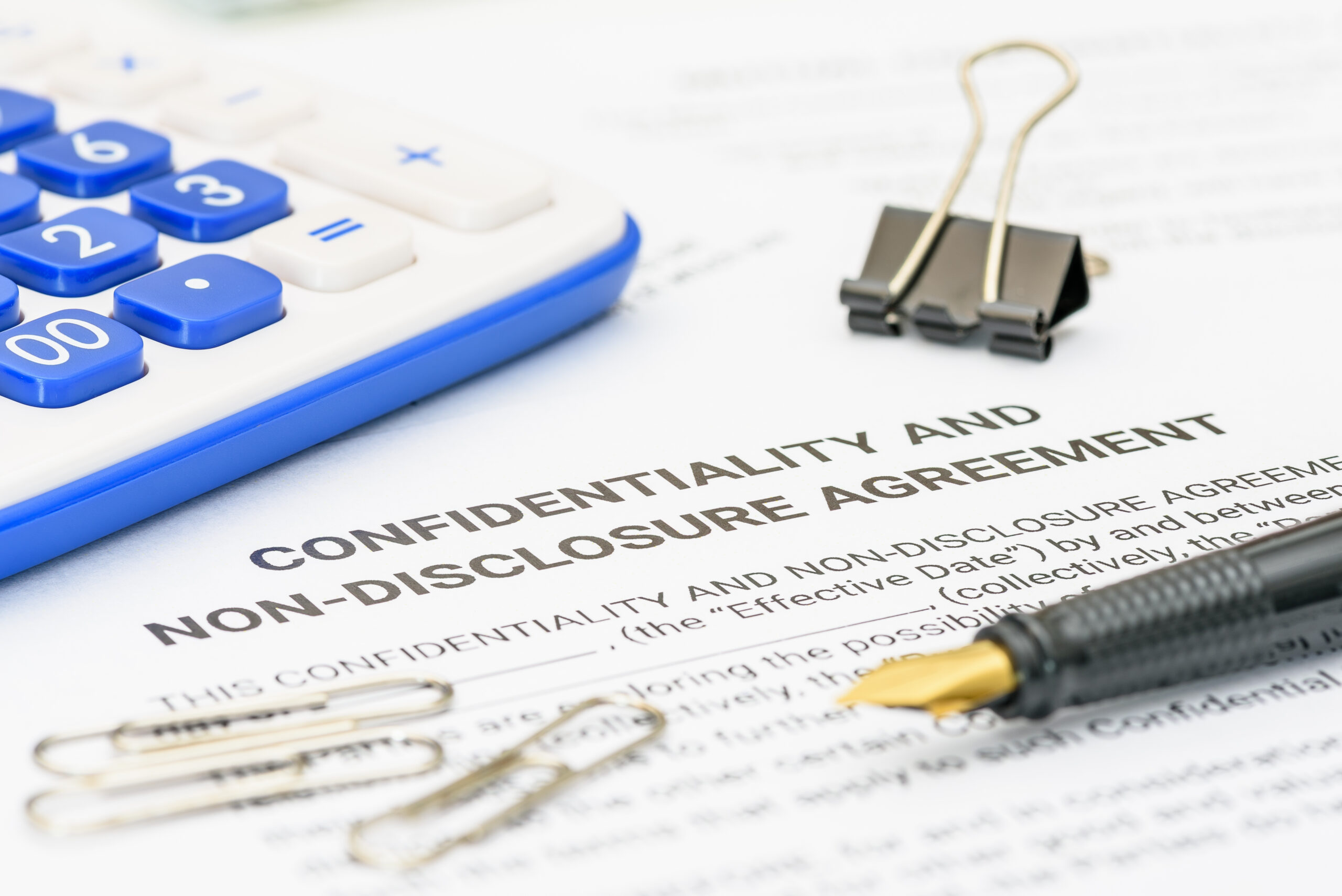
In an Australian first, the Victorian Government is introducing laws today to significantly restrict the use of non-disclosure agreements (NDAs) in work-related sexual harassment cases, with the aim of improving workplace safety by ending the “culture of secrecy enabling perpetrators to reoffend”.
Premier Jacinta Allan and Industrial Relations Minister Jaclyn Symes revealed that the Restricting Non-disclosure Agreements (Sexual Harassment at Work) Bill 2025 will prohibit the use of an NDA unless it is requested by a victim or alleged victim of harassment.
Key Provisions of the Bill
They said that if it passes Parliament, the legislation will also:
- mandate requirements for NDA information statements, and a review period before a worker can sign an NDA;
- prohibit employers from pressuring or influencing workers to enter NDAs;
- allow workers who have entered NDAs to discuss the content of agreements with certain people, such as police officers and medical and legal professionals; and
- permit a worker to end an NDA 12 months after giving notice to the other party.
Background to the Reform
Restricting the use of NDAs for work-related sexual harassment matters was one of the key recommendations from the Victorian Ministerial Taskforce on Workplace Sexual Harassment in 2022.
The Taskforce’s other recommendations included ensuring work-related gendered violence and sexual harassment are treated as occupational health and safety issues, and requiring WorkSafe Victoria to take the lead role in preventing and responding to this kind of conduct in the State.
Recently, the Australian Human Rights Commission recommended cracking down on NDAs through amendments to the Commonwealth Sex Discrimination Act 1984 and other industrial laws, warning they are “overused” in work-related cases and need to be curtailed to “reduce barriers to victim-survivors being heard”.
Government Statement
Today, Allan and Symes said in a joint statement that NDAs were initially designed to protect trade secrets, but they have become an entrenched practice for settling sexual harassment complaints out of court to keep the details of the complaint and the alleged harassment confidential.
“This creates a culture of secrecy, enabling perpetrators to reoffend, letting employers avoid action to prevent sexual harassment in their workplaces, and preventing victims from openly speaking about their experiences,” the statement said.
The Bill will “address power imbalances in the NDA negotiation process and let victim-survivors decide whether they want to enter an NDA”, it said.
Allan and Symes noted the proposed laws are the first of their kind in Australia, and among the first in the world.
Allan said that through the Taskforce and other processes her Government had “heard from victims who have been silenced in the workplace, and this legislation will make sure they have a voice”.
“How can we have a hope of stopping sexual harassment in the workplace when the conduct gets hidden, the victim gets silenced and the powerful stay protected?” the Premier asked.
Victim-Survivor Perspectives
One anonymised victim-survivor said she was made to feel obligated to sign an NDA, and the perpetrator “went on to get a promotion at another organisation without the impact of their behaviour being acknowledged”.
“The victims are silenced and unable to discuss the incidents while the offender has their reputation intact and no consequences for their actions,” the woman said.
Symes said it is well known that NDAs “are too often misused, and these laws are about putting the voices of victim-survivors first”.
Significance
This landmark legislation represents a significant shift in how workplace sexual harassment cases are managed, prioritizing victim autonomy and transparency over confidentiality agreements that have historically protected perpetrators and enabled repeat offending. The laws acknowledge sexual harassment as a workplace health and safety issue requiring systemic prevention and response measures.