


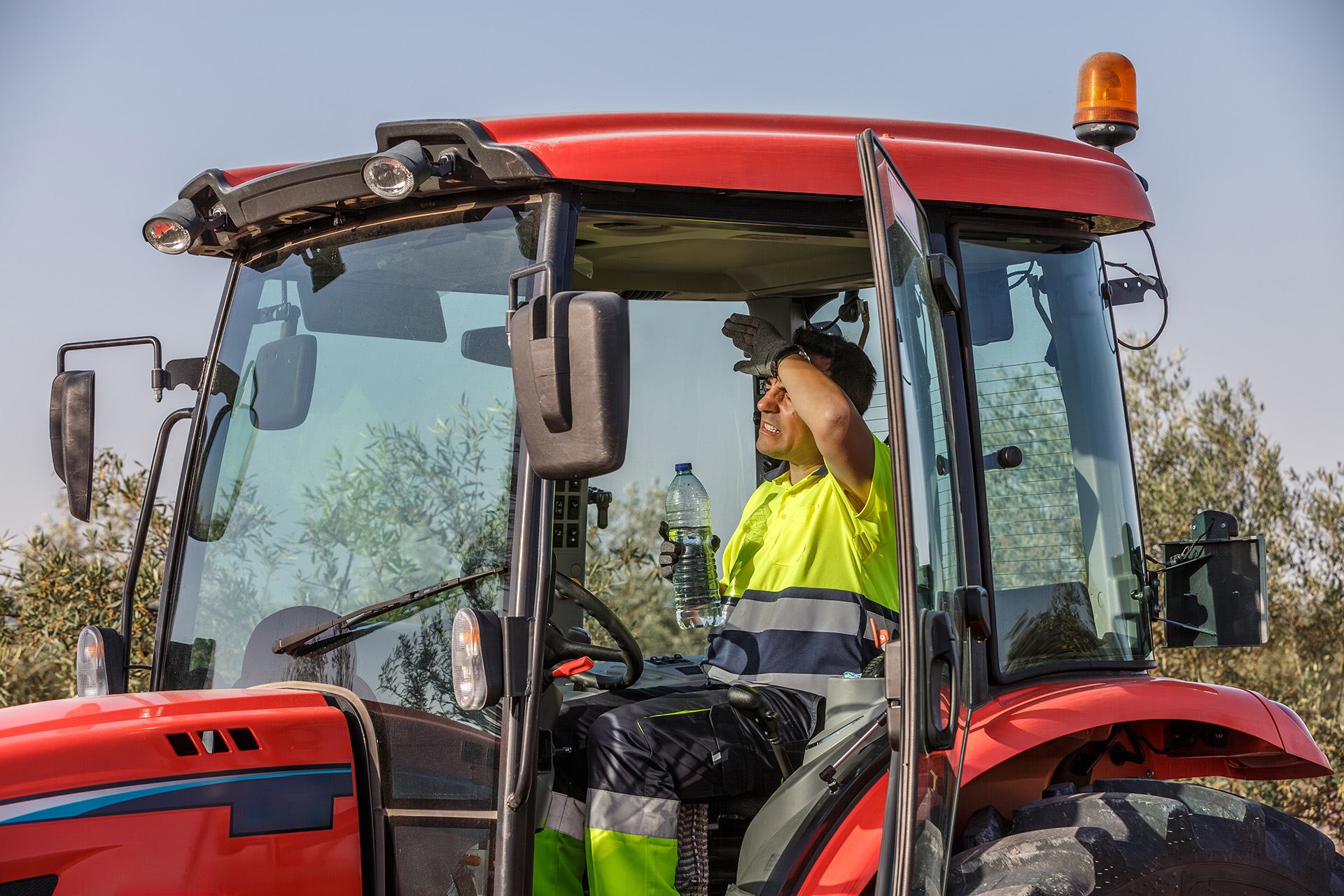
European businesses are rethinking workplace safety as extreme heat shifts from an occasional summer event to a near-permanent operational risk, according to new reporting from Fortune. The European continent is now warming at roughly double the global average since the 1990s — faster than any region on Earth bar the Arctic — and Copernicus, the EU’s Earth observation service, is warning of a coming “very strong” super El Niño that could push temperatures to record levels over the months ahead. Up to 25,000 people are estimated to have died during Europe’s worst-ever heatwave this past June alone.
The business impact goes well beyond worker safety incidents. According to the World Health Organization, output drops 2 to 3 per cent for every degree above 20°C, and a recent Allianz stress test — titled Too Hot to Grow — estimates heat-related economic losses between now and 2030 could reach $240 billion in France, $147 billion in Italy, $131 billion in Germany and $120 billion in Spain, with most of that damage falling outside standard insurance coverage. The International Labour Organization is warning employers specifically not to treat heat stress as “only a heat wave issue” — ILO figures show 90 per cent of harmful heat exposure actually occurs outside officially declared heatwave periods.
In response, companies are moving beyond ad hoc measures. IBM has stood up internal safety committees to track heat-related incidents; Schneider Electric has built air-conditioned rest areas into its factories and distribution centres and deployed smart cooling technology across its sites; and DHL issues couriers a “cool box” containing a reusable cooling towel, evaporative wrist cooler and UV-blocking neck protector on hot days. Industries where staff work outdoors or in heavy PPE — agriculture, construction, logistics, manufacturing and mining — remain the highest-exposure sectors. For Australian employers with European operations, or those managing comparable heat-exposed workforces domestically, the takeaway is the same one ILO is pushing in Europe: heat needs to sit as a standing item in risk assessments year-round, not a seasonal afterthought revisited only when a heatwave hits.


