Safe Work Australia has released a comprehensive 75-page workplace health and safety code of practice addressing crystalline silica exposure risks that span numerous industries and job roles.
The code, titled “Managing risks of respirable crystalline silica in the workplace,” targets persons conducting a business or undertaking (PCBUs) whose operations may expose workers to respirable crystalline silica (RCS). The document emphasizes that crystalline silica substances (CCSs) are ubiquitous, found in “most rocks, soil, sand and clay.”
Widespread Material Presence
The hazardous substances appear in numerous common materials and products, including natural stone items like marble and granite benchtops, engineered and sintered stone, porcelain and ceramic goods, sandstone, asphalt, and cement products with fly ash content. Additional sources encompass bricks, blocks, pavers, tiles, mortar, concrete and cement-based materials such as fibre-cement sheeting, autoclaved aerated concrete, and even composite dental fillings.
High-Risk Processing Activities
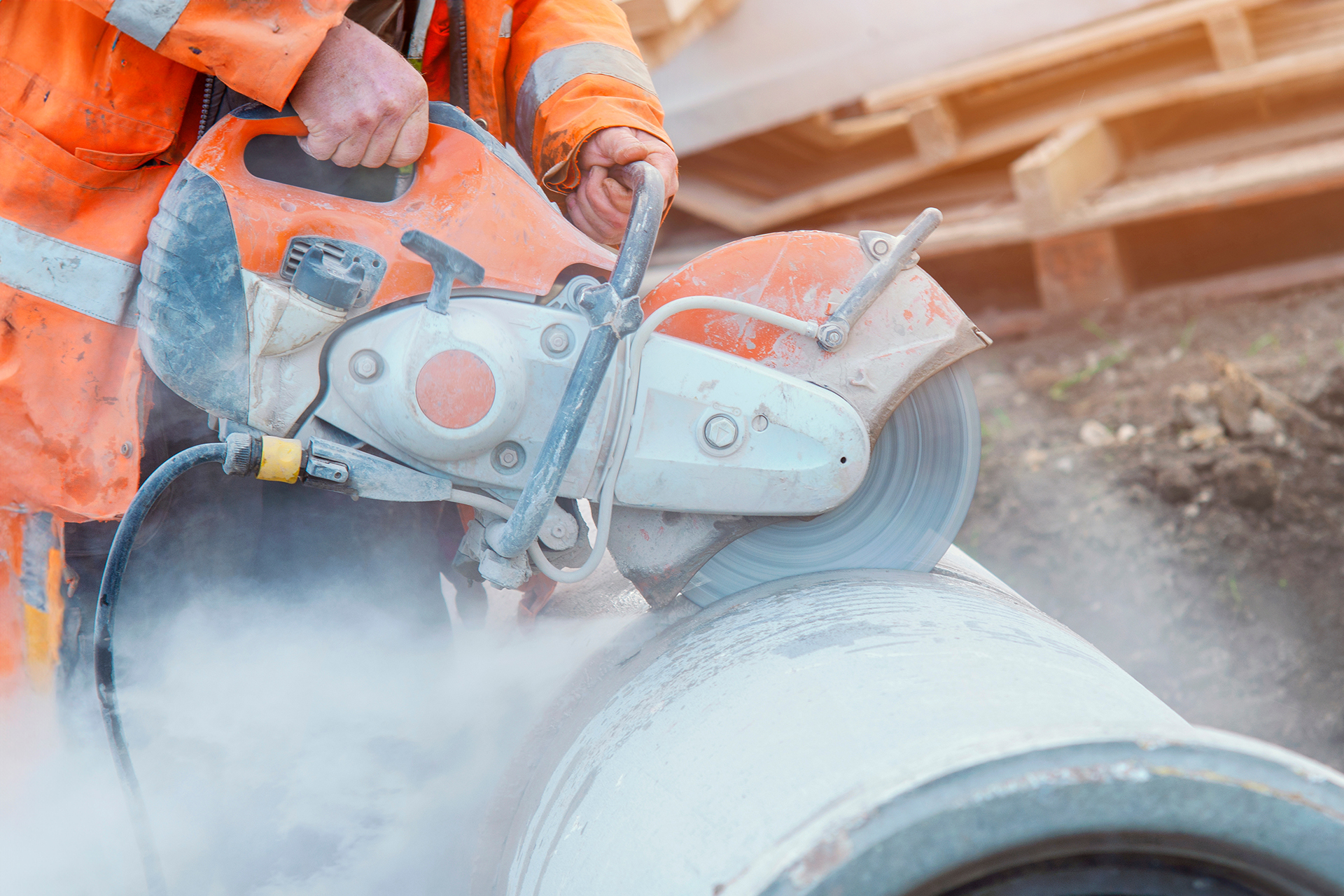
The code identifies CCS processing activities that require control measures, including the use of power tools or mechanical equipment to crush, cut, grind, trim, sand, polish abrasively, or drill these substances. Other controlled activities include roadheader excavation, quarrying, mechanical screening, tunnelling, and various manufacturing or handling processes likely to generate RCS exposure.
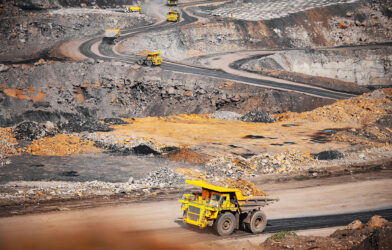
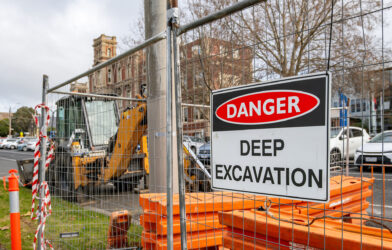
Occupational activities that consistently or potentially involve CCS processing encompass excavation and earthmoving operations, clay and stone processing, paver installation, mining and quarrying, road construction, building and demolition work, masonry cutting, abrasive blasting, foundry operations, concrete grinding, hydraulic fracturing, pottery production, and material handling from tunnelling operations. Even cleanup activities like dust sweeping or vacuuming present risks.
WorkSafe ACT has identified approximately 70 specific occupations facing silica dust exposure risks.
Health Consequences and Detection Challenges
The code warns that RCS particles, invisible under normal lighting and remaining airborne for extended periods, pose severe health threats. Prolonged exposure can result in permanent disability, serious illness, and death from conditions including silicosis and lung cancer. Particularly concerning is that symptoms may remain dormant for years and continue developing even after exposure ceases.
Regulatory Requirements and Control Hierarchy
PCBUs can verify crystalline silica content through safety data sheets, manufacturer consultation, or similar resources. They must ensure workplace exposure levels remain below applicable thresholds and limits for RCS and other airborne contaminants.
The mandatory hierarchy of controls for hazardous chemicals requires PCBUs to prioritize elimination of CCSs above all other protective measures. However, the code acknowledges elimination may not always be reasonably practicable, particularly when CCSs occur naturally at worksites, are essential for required products, or necessary for service delivery.
When elimination proves impracticable, risks must be minimized through the control hierarchy, beginning with substitution strategies such as selecting products with reduced crystalline silica content, using CCSs requiring no processing, or employing non-powered cutting tools.
Jurisdictional Implementation
The new code lacks legal authority until individual jurisdictions provide approval. Several areas already maintain similar codes, including the ACT’s “Managing the Risks of Airborne Crystalline Silica (Silica Dust) in the Workplace” and Queensland’s “Managing respirable crystalline silica dust exposure in construction and manufacturing of construction elements.”
Queensland’s Workplace Health and Safety authority notes their code is under review following the introduction of more stringent CCS regulations across most jurisdictions in September of the previous year, currently directing duty holders to Safe Work Australia guidance.
Other jurisdictions including New South Wales, South Australia, Tasmania, and Victoria continue using safety codes focused on engineered stone products, which were prohibited last year but remain workable under specific limited circumstances.