


Queensland just closed the books on one of its biggest road safety enforcement operations of the year — and within days, the federal government confirmed $30.2 million in new infrastructure investment targeting the state’s worst crash locations. The message to Queensland road users and safety managers alike is hard to miss.
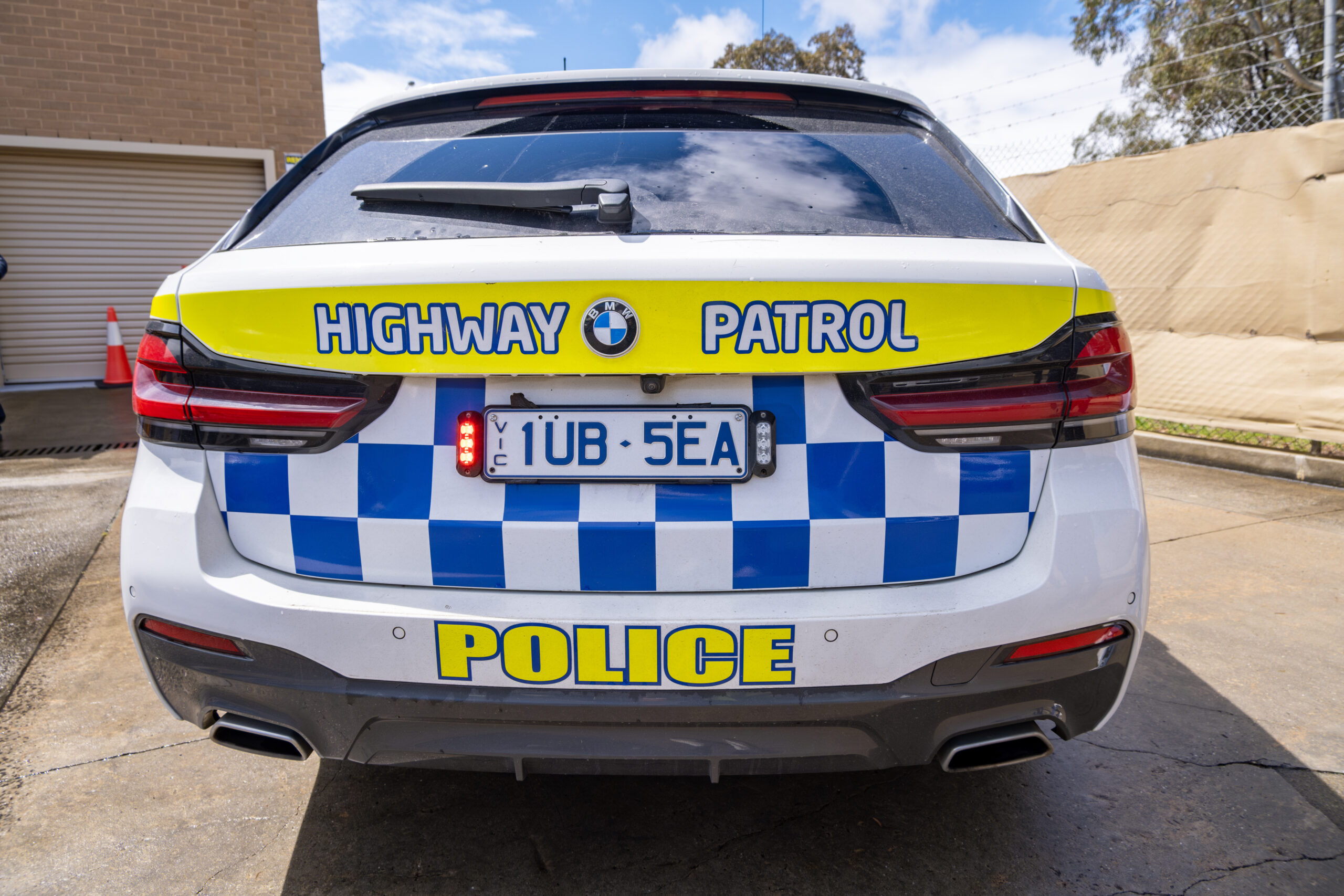
Operation Yankee Easter Break, the state’s Easter period road safety blitz, concluded on Monday with more than 10,600 people charged with traffic offences across the state. Officers conducted more than 75,500 roadside breath tests and more than 1,800 roadside drug tests during the operation, detecting over 1,200 impaired drivers. The operation’s enforcement focus was squarely on the “Fatal Five” — speeding, drink and drug driving, not wearing seatbelts, distracted driving, and fatigue.
The numbers land against a grim backdrop. Twenty-two people died on Queensland roads over the Easter period alone, contributing to 95 road fatalities recorded in the state so far this year. That trajectory puts Queensland on course to again exceed 200 road deaths for the year — a figure that has remained stubbornly resistant to reduction despite increasing enforcement effort.
For safety professionals and businesses operating vehicle fleets or managing workers on or near Queensland roads, the enforcement statistics carry a direct workplace message. Impaired, distracted, or fatigued drivers are not an abstract public safety problem. They are a duty of care issue for any employer whose workers drive as part of their role. The Queensland Police Service’s continuing escalation of roadside enforcement — including covert detection operations, mobile drug testing units, and expanded highway patrol — means the compliance environment for drivers has never been more active.
On the infrastructure side, the Federal Government confirmed this week that Queensland will receive $30.2 million under the 2026–27 Black Spot Program, with funding targeting 44 road safety improvement projects across the state. Local councils will co-contribute approximately $3.1 million, bringing the total to more than $33 million. Funded treatments include intersection upgrades, pedestrian infrastructure, road widening, and improved signage and lighting — all targeting locations with documented crash histories.
The Black Spot Program, jointly administered by the Australian and Queensland governments, directs investment to locations where engineering interventions can demonstrably reduce crash risk. The Queensland Black Spot Consultative Panel, comprising local government and community stakeholders, recommended the specific project list.
The dual announcement — an enforcement blitz delivering 10,600 charges, and $33 million in physical safety works — reflects the long-standing two-track approach to road safety: changing driver behaviour through deterrence, and reducing crash consequences through infrastructure. Neither track alone has solved Queensland’s road toll. The question of whether the combination is working, and whether it is working fast enough, remains open.
For fleet managers, transport companies, and organisations with significant road exposure in Queensland: the operational environment for the year ahead includes sustained enforcement, expanded testing programs, and major road works at dozens of locations statewide. Risk assessments and driver management frameworks should reflect that.


