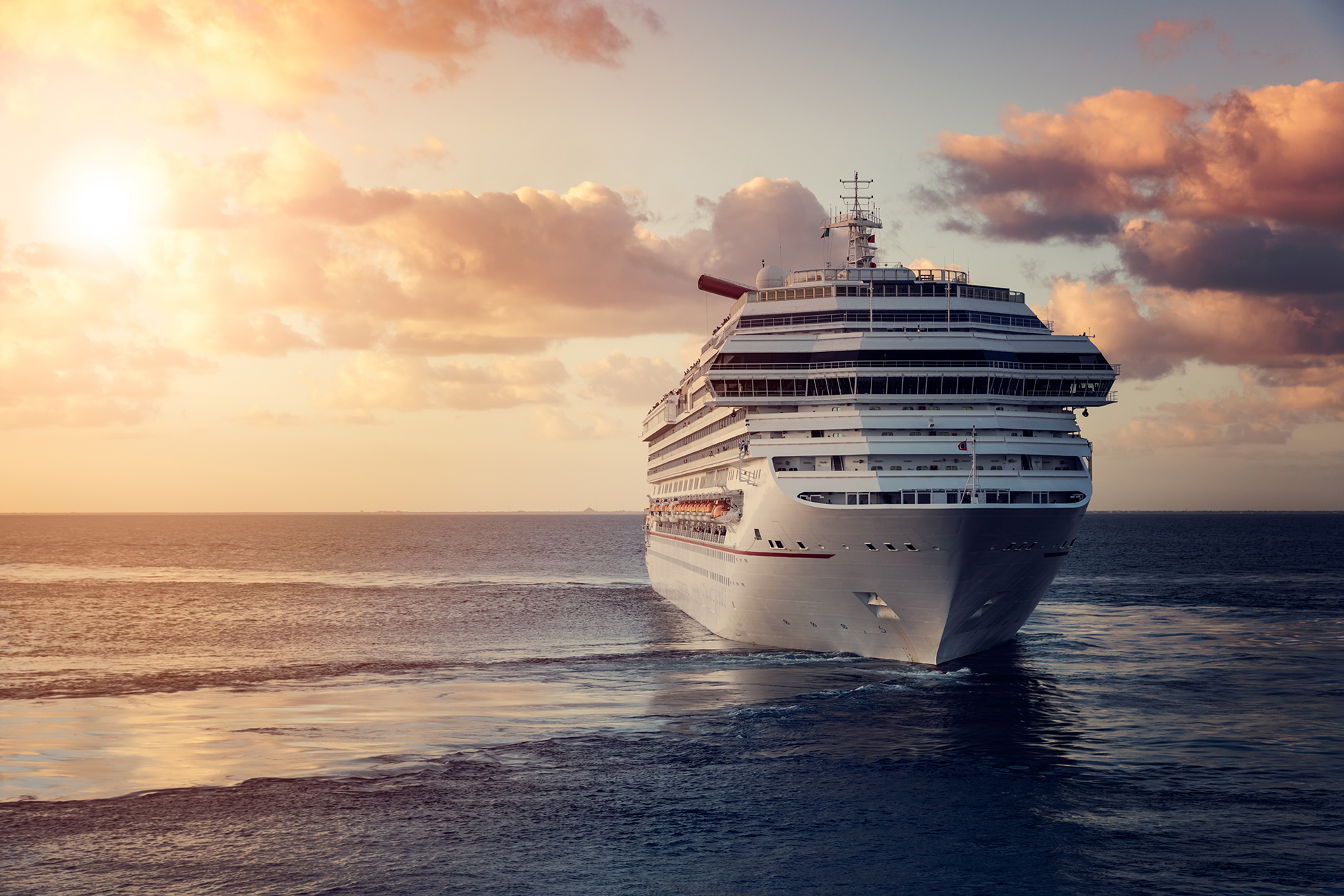
The Australian Maritime Safety Authority (AMSA) has boarded the Carnival Encounter cruise ship in Darwin to investigate serious allegations about working conditions for the vessel’s 1100 crew members.
The inspection, conducted on 9 February, followed whistleblower reports received by the Maritime Union of Australia (MUA) detailing concerning workplace conditions aboard the Brisbane-based cruise liner.
According to the MUA, workers aboard Carnival’s Australian fleet have reported wages as low as $2.50 per hour, with some crew members working up to 300 hours monthly. The union has received hundreds of complaints since mid-2025 from crew members employed on the company’s three Australian-based ships: Carnival Encounter, Carnival Adventure, and Carnival Splendor.
Whistleblower reports allege cramped living conditions contributing to skin infections, contaminated drinking water requiring crew to purchase bottled water at 70 cents per bottle, and workers being required to continue shifts despite illness including gastroenteritis. Union organisers claim some crew members work below deck for months without seeing daylight.
MUA national secretary Shane Reside told media the situation represents exploitation of foreign workers hired from developing economies. “When they seek to complain or raise these issues, they’re being told to shut up, accept it, or they’ll be moved on,” Reside said.
The allegations have prompted significant public attention, with the MUA describing the conditions as “the most extreme labour exploitation ever seen in Australia.”
Carnival operates its Australian fleet under a ministerial exemption to the Coastal Trading Act 2012, which allows foreign-flagged cruise ships over 5000 gross tonnes with more than 100 passengers to pay crew according to international maritime standards rather than Australian workplace laws. The current exemption was extended until 31 December 2026.
Carnival Cruise Line has strongly disputed the allegations, stating its wages meet or exceed International Maritime Organisation labour standards and are supplemented by free accommodation, meals, medical care, training, and transportation.
“Carnival shipboard wages meet and most often exceed International Maritime Organisation labour standards,” a company spokesperson said. The company highlighted industry-leading retention rates and noted many crew members have been employed for 30 to 40 years, with some sailing alongside family members.
The cruise line reported a net income of $2.8 billion for 2025 and operates more than 600,000 passenger journeys annually from Australian ports.
Following the AMSA inspection, Carnival stated that no deficiencies requiring further action were identified, though specific details of any recommendations have not been publicly released.
The MUA is seeking a collective agreement delivering higher wages, permanent employment rather than six to 12-month contracts, and stronger worker protections. The union has warned that if negotiations fail, it will push for removal of Carnival’s Coastal Trading Act exemption, which would require the company to pay full Australian wages.
The controversy highlights ongoing debates about maritime labour standards for foreign-flagged vessels operating primarily in Australian waters, using Australian ports, and serving predominantly Australian passengers.