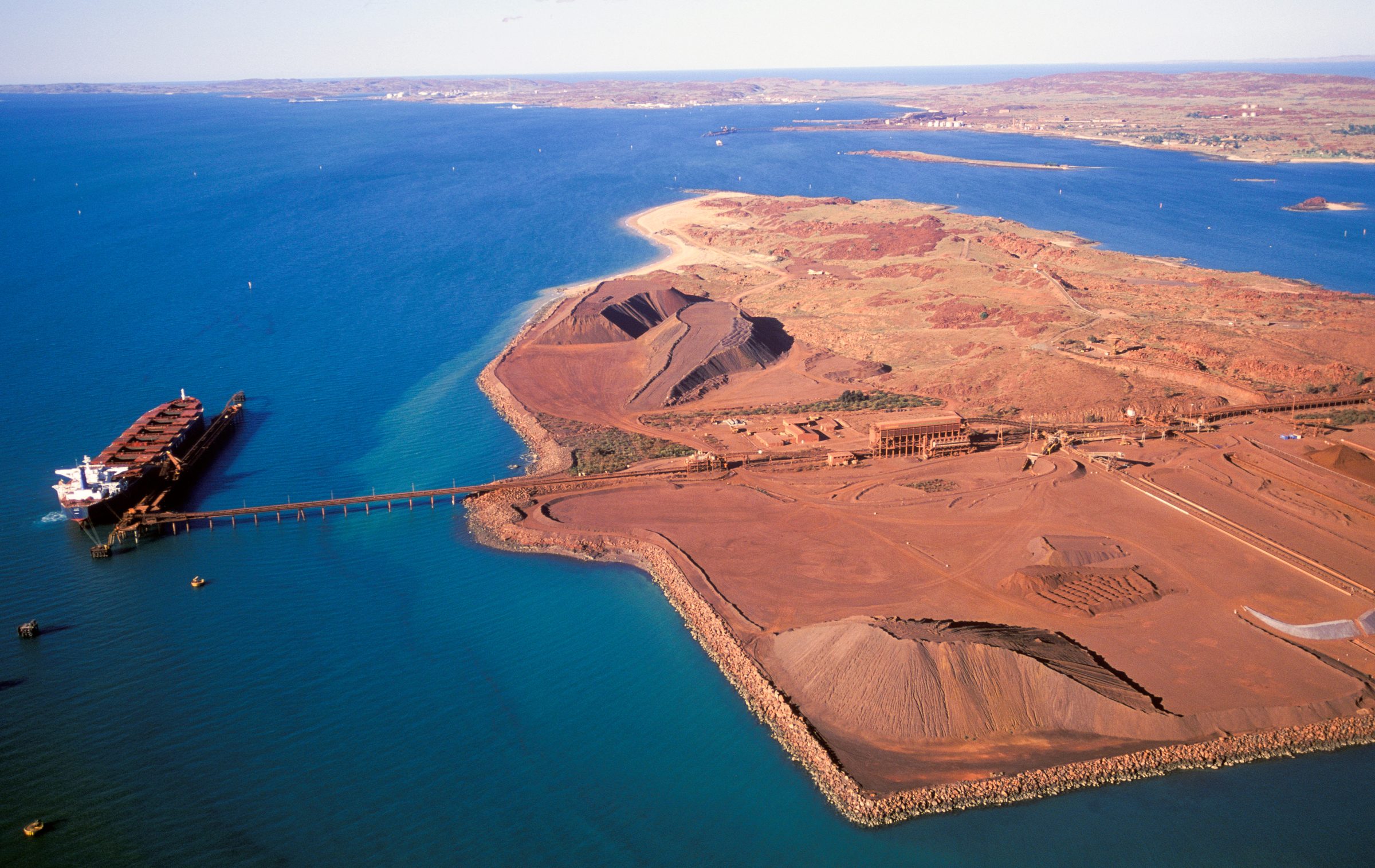
Iron ore giant Fortescue has become the latest major Australian mining company to face legal action over allegations of systemic sexual harassment and gender-based violence at its remote worksites, with a class action filed in the Federal Court on Thursday 25 June 2026.
The lawsuit, lodged in the Victorian Registry of the Federal Court by law firm JGA Saddler and backed by UK litigation funder Aristata Capital, alleges decades of entrenched sexual harassment, sexual assault, gender discrimination and retaliation against female workers at Fortescue’s Pilbara iron ore mining operations.
Serious allegations spanning two decades
The class action covers conduct alleged to have occurred between 1 February 2006 and 5 December 2025 — a period spanning nearly two decades at Fortescue’s remote fly-in, fly-out (FIFO) mine sites and associated accommodation villages. Women who experienced gender-based misconduct while working at any Fortescue Australian mining hub or accommodation camp during that period are eligible to participate.
JGA Saddler special counsel Paris Hamrey said the firm had received 45 testimonials from female workers, with allegations ranging from “serious sexual assaults through to day-to-day micro aggressions.”
Among the conduct described in court filings:
- A woman was pulled into a dark alley and sexually assaulted
- A female employee returned to her accommodation to find a male stranger in her room
- Women were “howled” at by male colleagues when entering communal eating areas
- Female workers were advised not to wash their underwear in on-site laundries because theft of women’s underwear was “rife”
- Women working on remote sites without bathroom facilities were followed into bushland by male colleagues
- Complaints were met with demotion, dismissal, silencing or being blacklisted from the industry
“One of the most disturbing regular reports is women on Fortescue worksites being warned against washing their underwear in on-site laundries because theft of female underwear is rife,” Hamrey told media. “It is horrendous to think mining women should have to worry about what should be a mundane task. Aside from a violation, it raises concerns about escalation of offending and highlights safety risks to female staff.”
The names of two lead applicants were redacted from court filings due to personal safety concerns.
Legal basis: employer liability under the Sex Discrimination Act
The litigation relies on provisions of the Sex Discrimination Act 1984 (Cth), under which an employer can be held liable if they “permit” women to work in an environment where they are likely to be exposed to sexual harassment and discrimination. The case argues that Fortescue’s failure to prevent or adequately respond to systemic harassment constitutes such a permissive environment.
Aristata Capital’s general counsel and head of portfolio management, Michael Hartridge, said: “We are committed to supporting women in mining who are reporting high levels of sexual violence, harassment, and discrimination in their workplace.”
Fortescue responds
A Fortescue spokesperson said the company was “committed to providing a safe, respectful and inclusive workplace for all employees and contractors,” adding that “sexual harassment, unlawful discrimination and other behaviour that makes people feel unsafe have no place at Fortescue.”
Fortescue metals and operations CEO Dino Otranto acknowledged the seriousness of the allegations while declining to comment on specifics: “These are extremely serious allegations, and Fortescue takes them very seriously.”
Otranto also noted that the company had “invested significantly in critical infrastructure and initiatives” across its operations, including a reported $300 million investment to upgrade living quarters with deadlocks, swipe-card access systems, CCTV and improved lighting, “to help ensure everyone feels safe, respected, and included at work.”
Third mining class action — a pattern emerges
The Fortescue action is the third class action JGA Saddler has filed against a major Australian mining company over allegations of widespread sexual harassment and gender-based violence. Similar class actions were filed against Rio Tinto and BHP in 2024; both remain before the courts.
Hamrey was direct about what the pattern represents: “The mining industry has a real problem with women — it’s most women, if not all, working on remote sites that have suffered some form of sexual harassment or sex discrimination.”
“These companies actually need to stand up and address issues… strengthen their policies, actually enforce the policy, and provide a space where women feel safe to work.”
The firm has also filed a class action against the Commonwealth on behalf of women in the Australian Defence Force over similar allegations.
WHS implications: psychosocial hazards in the spotlight
The case has significant implications beyond litigation. Under modern WHS legislation — including model laws adopted across most Australian jurisdictions — sexual harassment is recognised as a psychosocial hazard that employers are legally required to identify, assess and control. Failure to do so can constitute a breach of the primary duty of care under the Work Health and Safety Act.
Safe Work Australia’s Code of Practice: Managing Psychosocial Hazards at Work explicitly lists sexual harassment as a psychosocial hazard requiring proactive risk management — the same risk-based approach applied to physical hazards like machinery or falls.
For mining operators — particularly those with large FIFO workforces in remote, isolated accommodation — the duty of care extends beyond shift hours. Workers living at site accommodation are under the employer’s care around the clock, raising the standard of what constitutes a reasonably practicable response to psychosocial risk.
The Fortescue case, alongside the pending actions against BHP and Rio Tinto, signals that litigation risk is now a very real consequence for mining operators who fail to embed meaningful protections against gendered violence and harassment.
Women who believe they may be eligible to participate in the class action can find more information via JGA Saddler’s website.