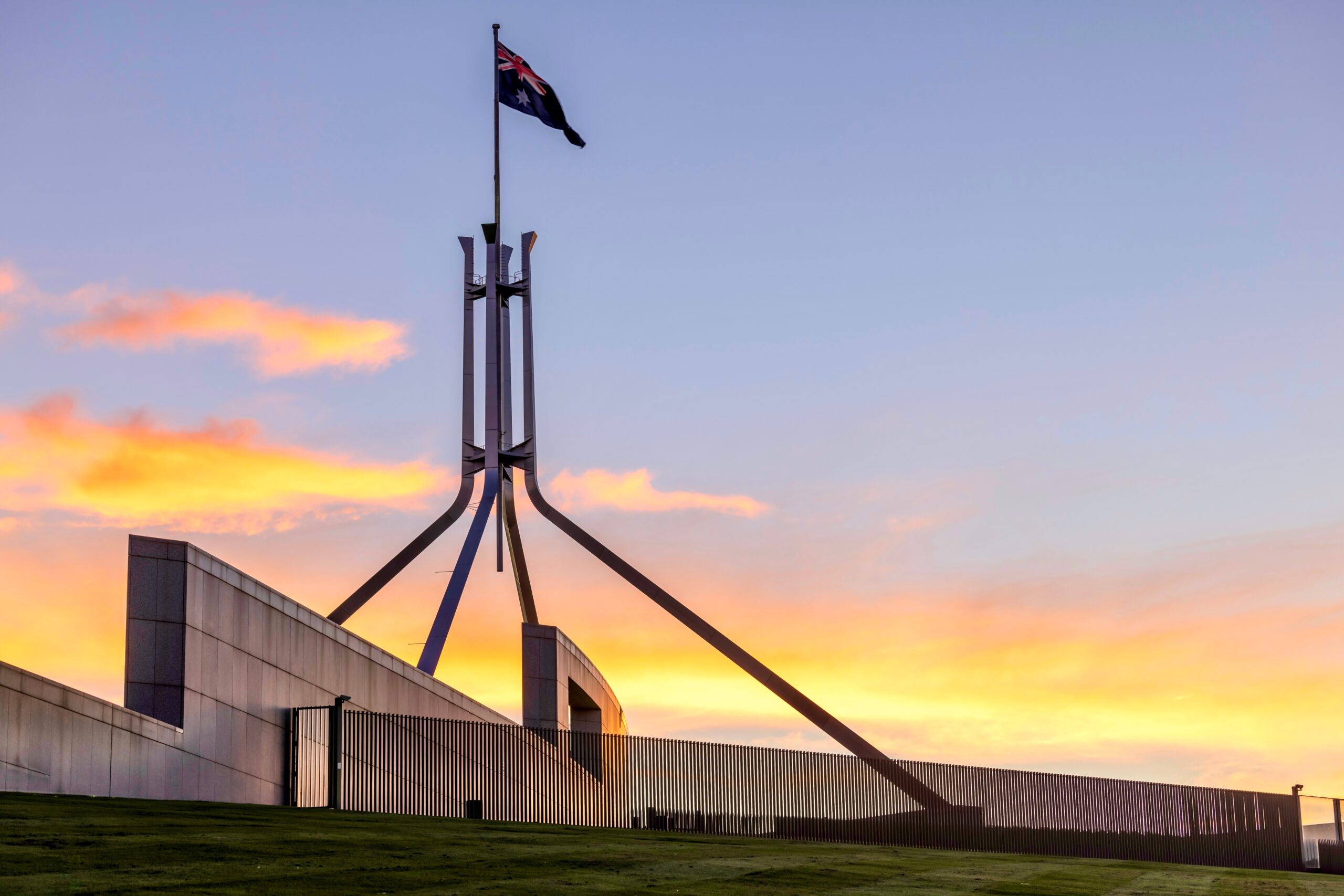
As the 2025 federal election campaign enters its final week, the race between Labor and the Coalition is not just about who will govern-it’s about the future of workplace health and safety (WHS) in Australia. This week’s headlines reveal that WHS policy is hanging in the balance, with both major parties and key independents outlining starkly different visions for worker protection and employer obligations.
Labor’s WHS Commitments in Focus
Labor has spotlighted its industrial relations reforms, including Secure Jobs, Better Pay and Closing Loopholes legislation, which have strengthened job security and worker rights. Their campaign this week promises to further restrict non-compete clauses and boost wages in low-paid sectors, moves that could indirectly improve workplace safety by reducing stress and supporting a more stable workforce. Labor’s approach signals continued investment in mental health and psychosocial risk management, reflecting the growing recognition of mental wellbeing as a core WHS issue.
Coalition’s Safety Priorities
The Coalition, meanwhile, is pledging to crack down on corruption in the construction sector by deregistering the CFMEU and reinstating a powerful construction watchdog. They also propose stricter penalties for breaches of the Fair Work Act and new anti-racketeering laws, which could impact safety culture in high-risk industries. However, their plan to reduce the federal public sector workforce and maintain current flexible work arrangements may have mixed effects on WHS, especially in public sector environments.
Emerging Issues and the Role of Minor Parties
The Greens and Teal independents are pushing for innovative reforms like paid reproductive health leave and a four-day work week, both of which have potential WHS benefits by addressing fatigue, stress, and work-life balance. Mental health, secure work, and regulatory reform remain top concerns, with all parties under pressure to address the complexities of modern workplaces.
What This Means for Australian Workplaces
- The election outcome could lead to either tighter or more relaxed WHS regulations, affecting inspection rates, compliance costs, and employer responsibilities.
- Mental health and psychosocial safety will remain central, with potential new policies on the horizon.
- Businesses should monitor party platforms closely and be ready to adapt WHS systems post-election.
Bottom Line:
This week’s election news makes clear: the future of workplace health and safety in Australia is on the line. The next government’s approach will shape not just compliance, but the wellbeing and safety culture of every Australian workplace for years to come.