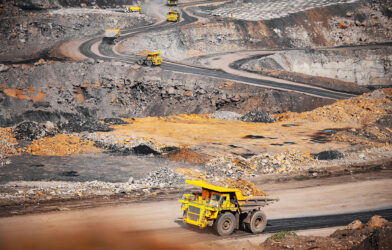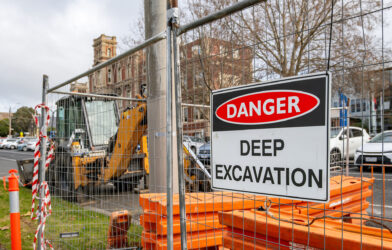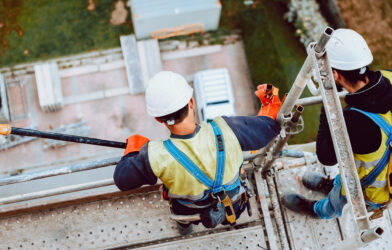
Safe Work Australia has released an interactive guide to assist duty holders in assessing ground conditions for the safe setup and operation of mobile cranes, elevating work platforms (EWPs), and other plant equipment.
The guide includes scenario-based videos and various resources to help users identify ground conditions that may present mobile-plant-related risks, understand methods to assess and control these risks, and determine when expert advice from specialists such as geotechnical engineers is required.
This launch follows SWA’s recent publication of the national model WHS Code of Practice for Elevating work platforms, which specifies geotechnical reports of ground conditions as a control measure to ensure “no hidden hazards” exist for EWP operations.
“Ground conditions can vary dramatically from one workplace to another and even within the one workplace,” SWA stated when announcing the interactive guide.
“The ground can appear to be solid, but underneath there may be hazards such as soft or waterlogged soils, voids, or underground services not visible from the surface,” the agency said.
A 2022 Queensland coronial inquest examined the death of a photographer when a large EWP toppled over after one of its stabiliser legs sank into the ground.
The inquest determined the EWP was inadequately set up on ground affected by rainfall (and possibly tidal influence from the nearby Brisbane River), underscoring the critical safety importance of geotechnical assessments for this type of work.