A landmark class action has been filed in the Supreme Court of Victoria against global manufacturing giant 3M, accusing the company of selling chemicals used in firefighting foam for decades while allegedly concealing what it knew about their dangers to human health and the environment.
The consumer-led proceeding, brought by Qenos Olefins Pty Ltd – Australia’s sole manufacturer of polyethylene and polymers – is the first class action against 3M in Australia over contamination from per- and polyfluoroalkyl substances (PFAS), the so-called “forever chemicals”, and the first PFAS class action in the country to be led by a consumer rather than government.
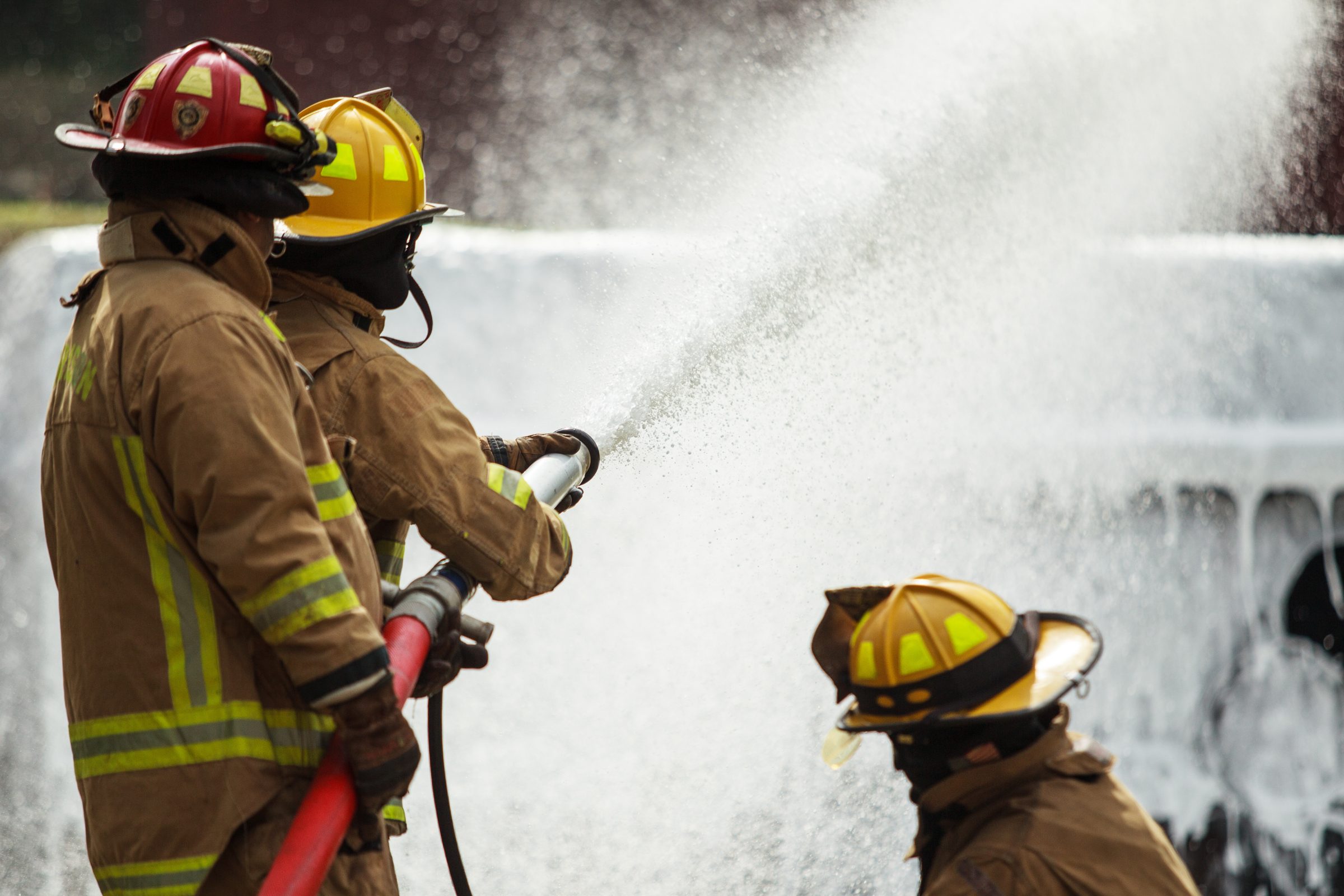
The claim centres on 3M products sold between approximately 1980 and 2000, including aqueous film-forming foam (AFFF) – a firefighting foam long used by fire services, airports, defence bases and industrial sites across Australia because of its effectiveness in suppressing fuel and chemical fires.
What the claim alleges
According to the statement of claim, 3M:
- engaged in misleading or deceptive conduct by selling products containing PFAS without disclosing the risks they posed, including the risk of ground and surface water contamination;
- breached its duty of care to protect users of its products from harm; and
- caused public nuisance through the widespread presence of PFAS in the environment.
The claim alleges 3M knew, or ought to have known, no later than 1980 that the use of PFAS products posed environmental and human health risks – including links to reproductive issues, child development delays, increased cancer risk and reduced immune function. It further alleges that PFOS, one of the key PFAS compounds, is likely or possibly carcinogenic.
Why it matters for workplace safety
For decades, AFFF was a standard firefighting agent used to train firefighters and emergency responders, and was widely used at industrial sites, airports and defence bases. Workers who handled, stored or were exposed to the foam – including firefighters, ground crew and site personnel – may have faced ongoing exposure to PFAS chemicals long before the associated health risks were understood.
The case adds to a growing body of PFAS-related litigation in Australia. The Commonwealth government has previously settled several class actions brought by landowners near Defence bases affected by AFFF contamination, including a $212.5 million settlement covering the Williamtown, Oakey and Tindal bases, and a further $132.7 million settlement covering seven additional sites. A separate claim brought on behalf of the Wreck Bay Aboriginal Community over contamination near Jervis Bay settled for approximately $22 million.
Unlike those earlier claims – which focused on property and environmental impacts – the Qenos proceeding is notable for raising allegations of human health impacts directly, an area that has not yet been successfully tested in Australian courts, in part due to a lack of established scientific consensus locally.
A widening net
The class action defines a broad group of plaintiffs: entities that purchased or used 3M products containing PFAS and have incurred, or will incur, costs investigating or managing the effects of contamination – potentially including businesses affected by PFAS migration from contamination caused elsewhere.
Legal experts say the case signals a shift in Australian PFAS litigation away from government-focused claims and toward manufacturer accountability, mirroring a trend already well established in the United States, where 3M has faced thousands of PFAS-related lawsuits and paid out billions of dollars in settlements.
3M has previously indicated it intends to defend claims relating to its historical PFAS products. The matter is ongoing in the Supreme Court of Victoria.
For employers and workers in industries where legacy firefighting foam may have been used – including fire services, aviation, mining, oil and gas, and heavy industry – the case is a reminder of the long tail of exposure risks linked to legacy chemicals, and the importance of understanding what hazardous substances may remain on site from decades past.