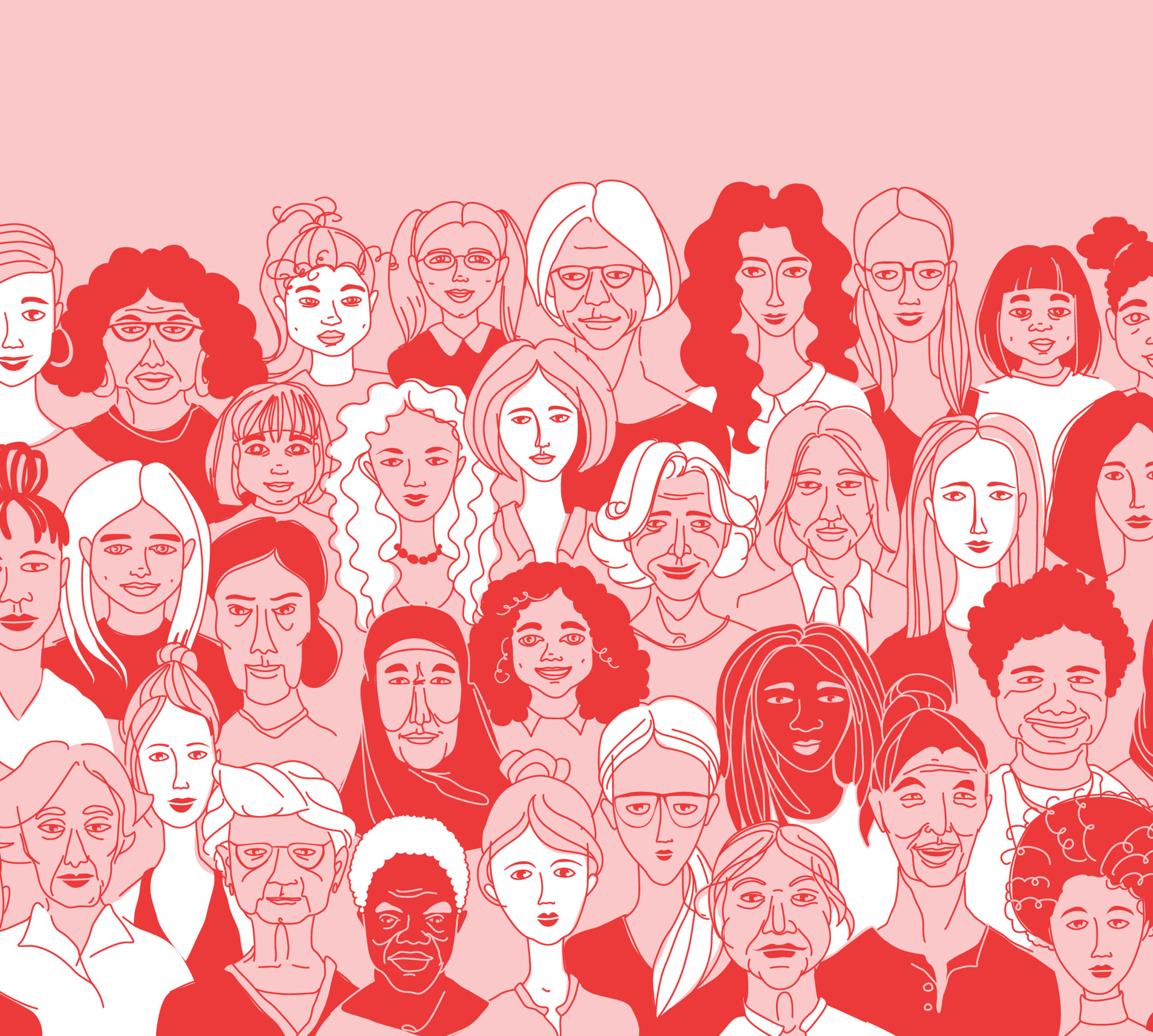
Today on International Women’s Day 2025, we’re highlighting the significant women improving workplace health and safety across industries. Women have become important contributors to creating safer, more inclusive work environments for all.
Leaders of Progress
The field of workplace safety has been notably influenced by women leaders who bring diverse perspectives and practical approaches to ongoing challenges:
Dr Maya Richardson, Industrial Hygienist and founder of SafetyFirst Consultancy, developed a well-regarded risk assessment methodology now implemented in over 200 companies globally. “Safety isn’t just about compliance,” Richardson notes. “It’s about creating environments where every worker can thrive without compromise to their wellbeing.”
Sarah Nguyen, Chief Safety Officer at BuildSafe Construction, has reduced workplace incidents by 78% through her implementation of AI-powered hazard identification systems. Her work has established new industry benchmarks for proactive risk management.
The Women in Safety Engineering (WISE) Network has connected over 5,000 women professionals worldwide, creating mentorship pathways that have helped launch the careers of a new generation of safety leaders.
Changing the Approach
Women are reshaping safety cultures by emphasising inclusive approaches that benefit all workers:
- Holistic risk assessment models developed by women-led research teams account for physiological differences, ensuring PPE and safety protocols protect everyone effectively
- Collaborative safety leadership styles that emphasise communication and engagement have proven more effective at creating lasting safety culture changes
- Data-driven advocacy spearheaded by women researchers has highlighted gaps in traditional safety approaches, leading to more comprehensive industry standards
Addressing Persistent Challenges
Despite notable progress, significant obstacles remain:
Women comprise only 22% of health and safety professionals in high-risk sectors like mining, construction, and manufacturing. The gender gap widens further at leadership levels, where women hold just 14% of executive safety positions.
“We need to acknowledge that workplace safety has historically been designed around male workers,” explains Occupational Health Researcher Dr Latisha Williams. “From PPE sizing to emergency response protocols, we’re still addressing systemic inequities while simultaneously advancing improvements.”
Building the Future: Practical Pathways Forward
Creating truly equitable workplace safety environments requires concrete commitment:
- Targeted mentorship programs connecting experienced women safety professionals with emerging talent
- Industry-specific initiatives addressing unique barriers in male-dominated sectors
- Research funding dedicated to gender-inclusive safety innovations
- Equitable representation on standards committees and regulatory bodies
- Comprehensive data collection that captures gender-specific workplace safety experiences
Join the Effort
Today on International Women’s Day, we recognise the pioneers improving workplace safety—and invite you to become part of the change:
- Amplify women’s voices in safety discussions and decision-making processes
- Advocate for gender-responsive safety policies within your organisation
- Support professional development opportunities for women in safety roles
- Share success stories that highlight women’s contributions to safer workplaces
The future of workplace health and safety depends on diverse leadership and inclusive approaches. By supporting women’s advancement in this critical field, we create safer environments for everyone.