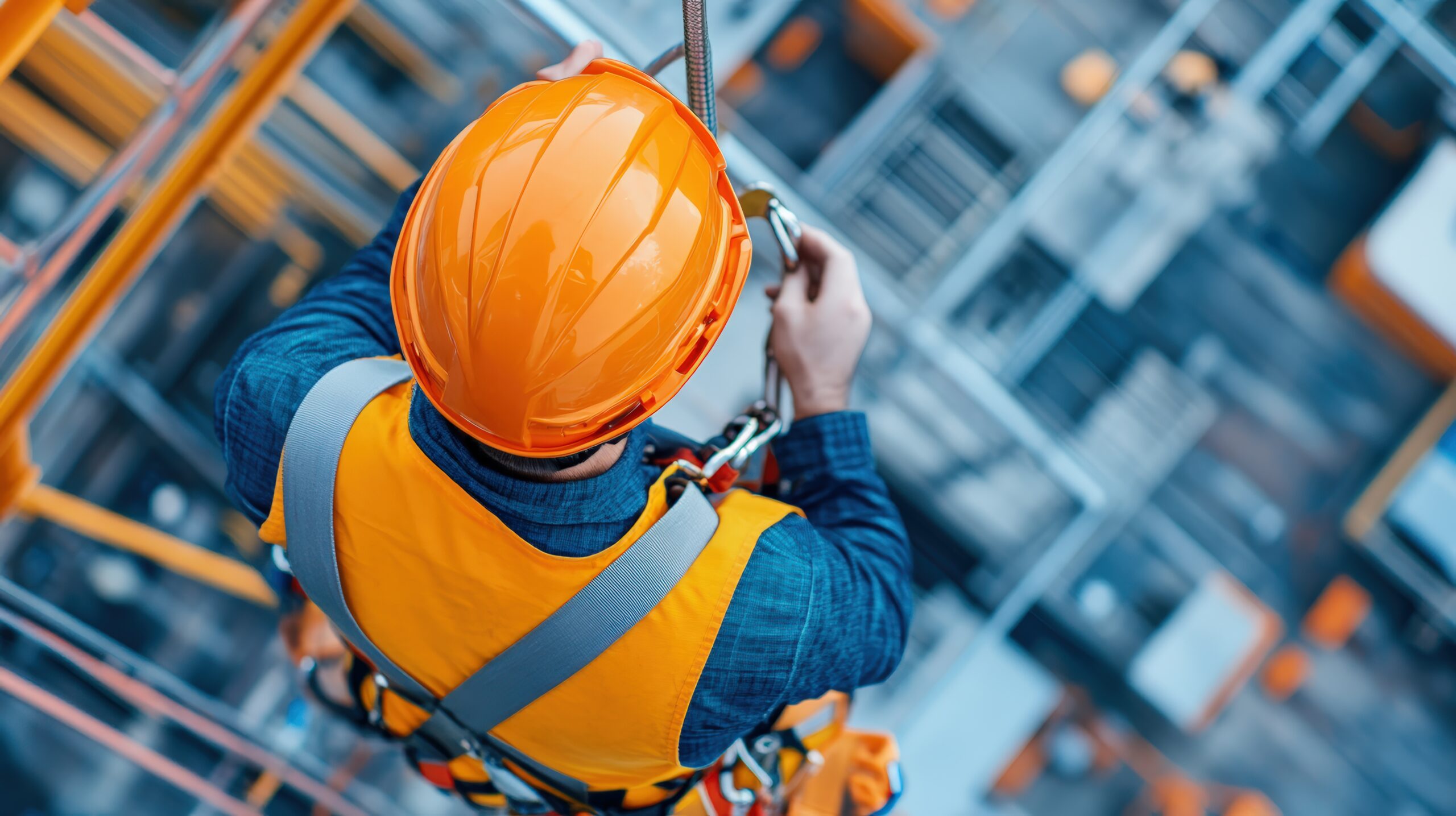
Western Australian employers have been on notice since 1 October 2026: WorkSafe WA’s revised falling objects and falls from height regulations have removed the height thresholds that previously allowed some fall hazards to go uncontrolled. From that date, every fall risk — regardless of how far a person could fall — requires active risk management.
The change comes through updated Regulation 79 of the Work Health and Safety (General) Regulations 2022 (WA), which previously contained provisions that could be interpreted as permitting a degree of discretion for falls below certain heights. The revised regulation removes that ambiguity. Where a person could fall, a control measure is required. The height of the potential fall does not change that obligation.
WorkSafe WA has introduced a six-month educative enforcement period, meaning inspectors attending worksites until approximately April 2027 will focus on education and guidance before moving to formal enforcement action. But that window should not be read as an invitation to delay. The underlying duty to manage fall risks has always existed under the primary duty provisions of the WHS Act — the regulation change simply removes the ambiguity that allowed some employers to argue their way out of it.
Falls from height remain one of the most consistent killers in Australian workplaces. In the construction industry alone, falls account for more fatalities each year than any other mechanism. The removal of height thresholds reflects the well-established evidence that falls from relatively low heights — including falls from ladders, work platforms and elevated surfaces under two metres — cause serious injuries and deaths at a rate that cannot be justified by reference to how far the worker fell.
For WHS managers in Western Australia, the practical implication is a review of any existing work at height procedures that relied on a height threshold as a trigger for applying controls. If a worker can fall — from any height — a control hierarchy assessment is now required. That includes mobile plant, fixed platforms, scaffold, ladders, roof access, and maintenance tasks at elevation.
WorkSafe WA is expected to begin active enforcement from around April 2027. The time to update procedures and training is now.