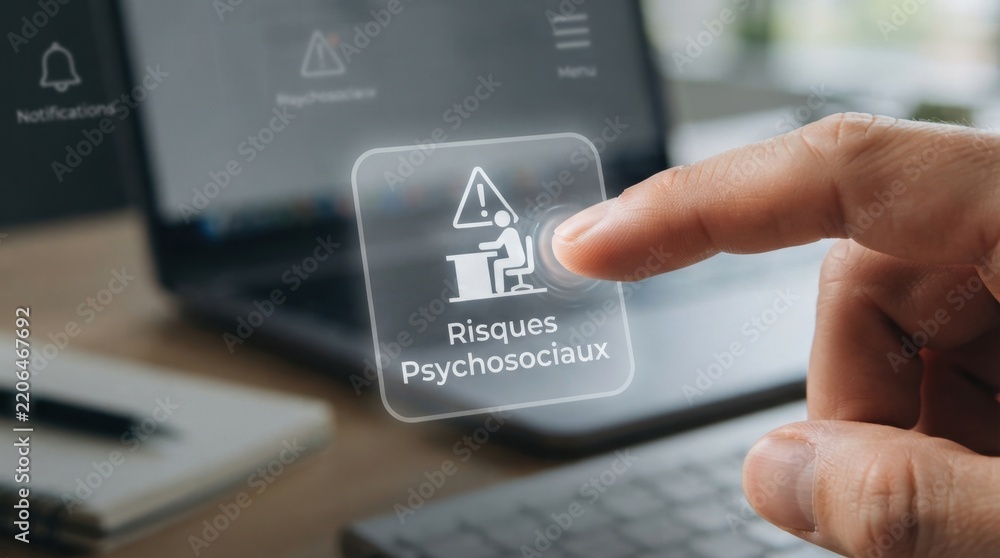
SafeWork NSW launched its largest-ever compliance operation targeting psychosocial hazards on 9 October 2026, timed to coincide with World Mental Health Day. The six-week operation involves inspectors visiting businesses across all industries, in every region of the state, focused specifically on how organisations are identifying, assessing, and controlling psychosocial risks.
The numbers that frame this operation are significant. SafeWork NSW now receives more than 20.5 per cent of all its requests for service from people raising issues of psychosocial harm. That is more than one in five contacts to the regulator. The top industries driving those requests are construction, education and training, healthcare and social assistance, and retail — a cross-section of Australian working life, not a niche sector.
This operation follows a similar statewide program run in May and June of this year, during which inspectors visited more than 200 workplaces and issued more than 80 improvement notices relating to psychosocial hazards and risk management. This latest round will include repeat visits to assess compliance with those notices — meaning the regulator is closing the loop, not just issuing notices and moving on.
Context matters here. Reforms to the Work Health and Safety Act 2011 that came into effect on 1 July 2026 introduced new legislative requirements for businesses to comply with relevant codes of practice, including the Managing Psychosocial Hazards at Work Code of Practice. That code provides practical guidance on identifying, assessing, and controlling psychosocial risks — job demands, role clarity, workplace relationships, violence and harassment, remote and isolated work. Compliance is no longer optional.
SafeWork NSW also this year added 20 new inspectors with specialist expertise in psychosocial risks, expanding its operational capacity in an area where traditional inspection skills — plant, heights, hazardous chemicals — don’t fully translate.
SafeWork Commissioner Janet Schorer described what inspectors will be looking for: “Organisations should be able to demonstrate how they identify risks, consult with workers and take action to prevent psychological harms before they occur.”
That is a higher bar than many organisations currently meet. Psychosocial risk management in many workplaces still looks like an EAP phone number on the intranet and a staff satisfaction survey that goes nowhere. The code of practice requires something more structured: documented hazard identification, genuine worker consultation, and implemented controls that address the root causes of psychological harm — including the way work is designed.
The regulator also operates a Psychosocial Advisory Service (PAS) through the 13 10 50 number, where workers and businesses can seek guidance before issues escalate.
SafeWork NSW is also hosting a psychological health and safety seminar on 18 November for those who want to get ahead of the compliance curve.
The message from this operation is clear: psychological safety is not a wellness initiative. It is a legal obligation. And the regulator is now watching.