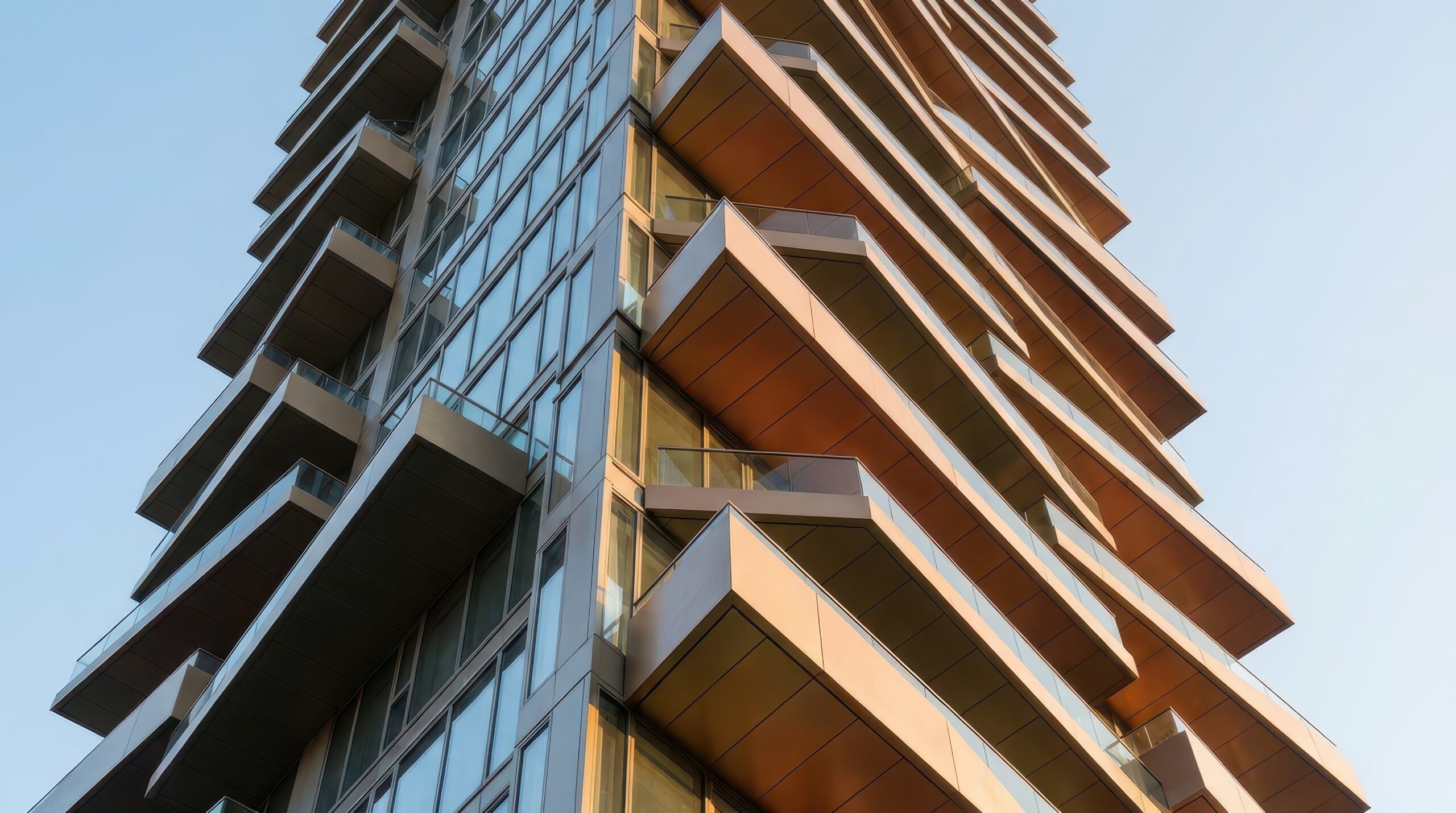
Two companies have been sentenced to a combined £1.55 million in fines after a 130-kilogram bespoke window fell from the 26th floor of a luxury London apartment development and killed a pedestrian below — eight years after the window system was installed, and seven years after a near-miss involving the same type of window at the same building was investigated and found wanting.
Mick Ferris, a 53-year-old coach driver on a work break, was killed on 2 October 2018 when the window pane fell from the Corniche development on London’s Albert Embankment and struck him. He did not work at the building. He was simply nearby.
At sentencing on 24 September 2026 — following a five-week trial — Inner London Crown Court heard that St James Group Limited, the developer, principal contractor and principal designer of the Corniche, had been put on notice about the window risk more than a year before Mr Ferris died. In August 2017, a window fell from the same penthouses during construction, narrowly missing workers. An internal review was conducted. It was not effective. The company treated the matter as managed when it was not, reportedly installing a small sign asking residents to close windows — a measure that neither addressed the structural failure mode nor reflected a genuine understanding of what had caused the near-miss.
The window system itself carried inherent risk. The windows had been redesigned early in the project to open outward rather than inward, meaning a detached window would fall onto a pedestrian area. No adequate risk assessment was ever carried out on this design change. The safety of the windows relied on a single restrictor, held by a single screw, using fittings that none of the manufacturers had confirmed were suitable for the bespoke curved windows being installed.
St James Group was fined £1 million plus £125,000 in costs. Specialist window company Lindner Prater Limited — responsible for the window installation — was fined £300,000 plus £125,000 in costs.
The case is one of the most significant demonstrations in recent years of what principal designer duties mean in practice. In Australia, the model WHS Regulations impose duties on designers to identify and eliminate hazards so far as is reasonably practicable before a design is used for construction — and to consider not only the primary intended use of a structure but the foreseeable ways in which design decisions create risk for those outside the building. A design change that causes windows to fall outward rather than inward is exactly the kind of decision those duties are meant to catch.
The near-miss lesson is equally clear. An investigation that concludes with a sign on a door is not a corrective action. It is a record that the organisation knew about the problem and did not fix it.