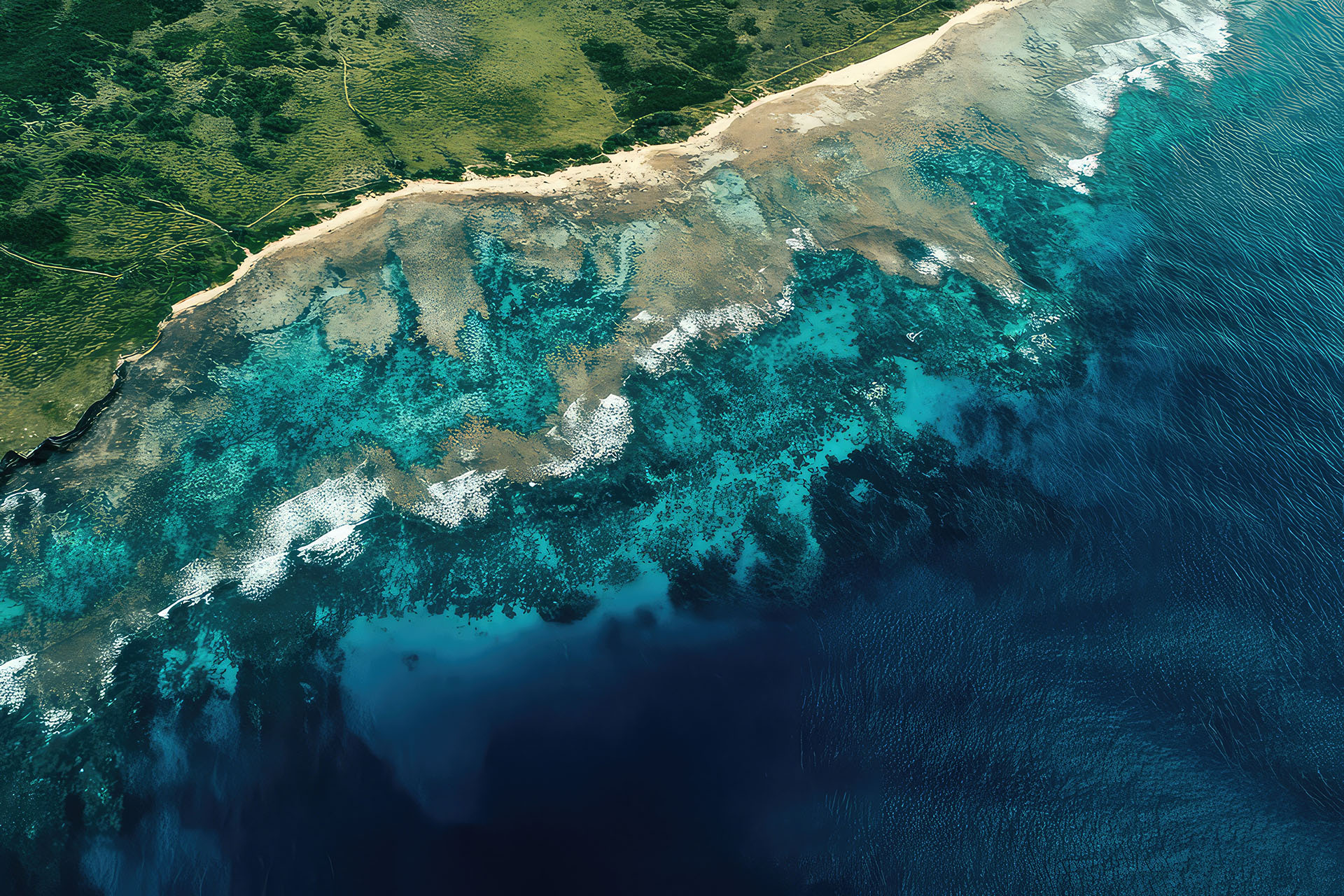
South Australia’s commercial fishing sector—one of the state’s most powerful industries—faces an unprecedented crisis as a massive harmful algal bloom continues devastating marine ecosystems and threatening worker safety across the coastline since March 2025.
The harmful algal bloom affecting South Australia’s coastline has been detected in the Port River, with testing confirming elevated levels of the Karenia species along the metropolitan coastline, and very high levels at the Garden Island and Outer Harbor boat ramps. The crisis has reached such severity that calls are growing for immediate federal support and intervention in South Australia’s algae crisis, as fishing and tourism industries struggle with the impact of a months-long bloom with no end in sight.
Critical Safety Risks to Fisheries Workers
The Karenia mikimotoi bloom presents multiple hazards to those working in South Australia’s marine industries. Karenia mikimotoi does not cause long-term harmful effects in humans but exposure to discoloured or foamy water can cause short-term skin or eye irritation and respiratory symptoms, including coughing or shortness of breath. Commercial fishers and aquaculture workers face heightened exposure risks through direct water contact during operations.
The scale of environmental destruction is staggering. The naturally occurring algal bloom has killed tens of thousands of marine animals of almost 400 species and caused widespread disruption to commercial fisheries and aquaculture since being identified off the Fleurieu Peninsula in March. Dead marine life continues washing ashore daily, creating additional health hazards for workers handling contaminated catches or cleaning equipment.
Industry on Its Knees
Some operators in the marine scalefish fishery have experienced declines in catch and economic viability, particularly in Gulf St Vincent, Kangaroo Island and the Yorke Peninsula. The government has acknowledged the severity by announcing immediate, back-dated fee relief for commercial fishers, aquaculture and charter boat operators impacted by the algal bloom affecting the state’s coastline, with an estimated $500,000 worth of relief from April to June 2025.
Shellfish operations have been particularly devastated, with multiple closures across affected areas. The crisis has prompted the establishment of the Harmful Algal Bloom Reference Group, which comprises representatives from Seafood Industry South Australia, RecFish SA, Conservation Council, Tourism Industry Council and First Nations groups to coordinate industry response and recovery efforts.
Government Recovery Response
While comprehensive recovery planning is underway, immediate response measures are being implemented. South Australia’s flagship fisheries patrol vessel Southern Ranger will conduct underwater observations of the harmful algal bloom in the Gulf St Vincent to understand the effect on the ecosystem. The vessel will use remote operated vehicles to survey multiple locations, helping authorities understand recovery timelines once the bloom dissipates.
State Government agencies, including the Department for Environment and Water (DEW), Department of Primary Industries and Regions (PIRSA), Environment Protection Authority (EPA) and SA Health, met with commercial fishers, tourism operators and local councils at a forum on July 4 to address research priorities and recovery strategies.
Public and Worker Safety Measures
Authorities have issued clear safety directives for marine workers and the public. People have been advised to avoid swimming or surfing in discolored water, with particular vigilance required around affected harbors and boat ramps. State government agencies are taking weekly water samples at 17 sites across West Lakes, the Port River, the Patawalonga River and the end of four jetties at Largs Bay, Grange, Glenelg and Port Noarlunga to monitor bloom progression and intensity.
The Department of Primary Industries’ 2021 guidance on blue-green algae risks to fishers remains relevant, emphasizing the importance of avoiding direct contact with discolored water, using protective equipment, and seeking immediate medical attention if exposure symptoms develop.
What Caused the Crisis
Experts believe there are three potential plausible contributing factors causing the bloom, which started in March: A marine heatwave that started in September 2024 – with sea temperatures about 2.5°C warmer than usual – combined with calm conditions, light winds and small swells. The 2022-23 River Murray flood washing extra nutrients into the sea. An unprecedented cold-water upwelling in summer 2023-24 that has brought nutrient-rich water to the surface.
The bloom is expected to persist until strong westerly winds from winter weather systems help break it apart—a timeline that remains uncertain as South Australia’s marine industries continue fighting for survival in waters turned toxic.