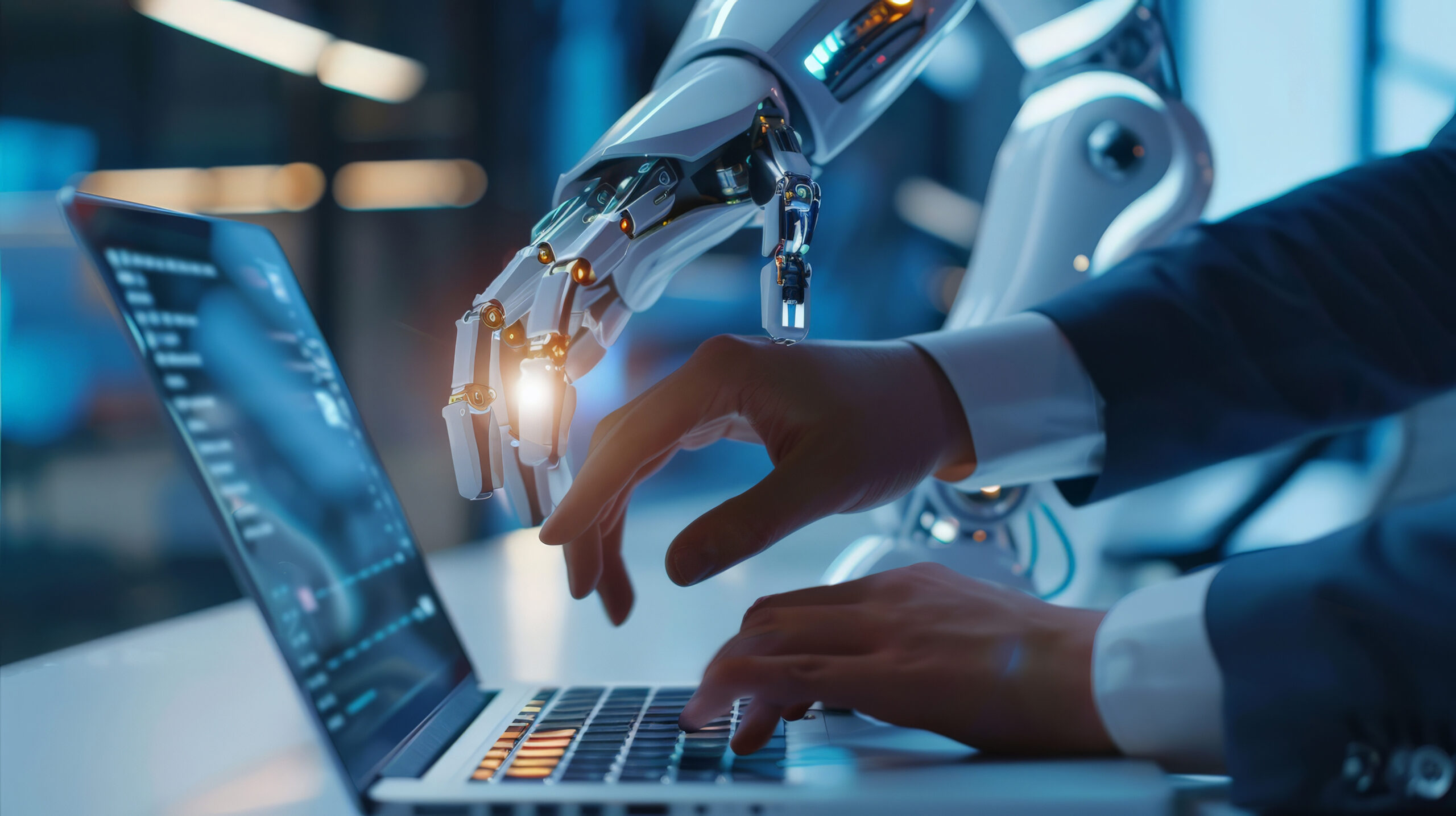
In the gleaming halls of the International Labour Organization’s Geneva headquarters this April, researchers unveiled a groundbreaking report that reads like science fiction but represents today’s reality. “Revolutionizing Health and Safety: The Role of AI and Digitalization at Work” paints a picture of workplaces where artificial intelligence isn’t just changing how we work—it’s fundamentally reshaping how we stay safe while doing it.
The Promise of Tomorrow, Today
Picture this: In a steel manufacturing plant in China, robotic arms handle molten metal at temperatures that would be instantly fatal to humans. Meanwhile, construction workers in Singapore wear smart bracelets that can predict when they’re about to fall from dangerous heights, sending alerts seconds before disaster strikes. Across the globe in a hospital in Sweden, AI-powered surgical robots assist doctors with precision that human hands simply cannot match.
These aren’t futuristic fantasies—they’re happening right now, according to Manal Azzi, the ILO’s Team Lead on Occupational Safety and Health Policy. “Robots can replace workers in hazardous ‘3D jobs’, which can be dirty, dangerous, and demeaning,” she explains. The technology is tackling what the industry calls the deadliest workplace challenges: extreme temperatures, toxic materials, and disaster zones where human presence once meant certain danger.
Beyond the Factory Floor
The revolution extends far beyond heavy industry. Smart wearable devices provide real-time risk detection, while environmental sensors track air quality, transforming safety and health by preventing accidents and reducing hazardous exposures. In logistics centers, AI systems monitor truck drivers for signs of fatigue during long-haul journeys, detecting microseconds-long eye movements that signal dangerous drowsiness.
The data is staggering in its implications. AI can monitor movement patterns and detect if there’s about to be a fall from height, or when workers are expressing fatigue and musculoskeletal disorders, calling for rest times and adjusted working hours. These systems don’t just react to accidents—they prevent them from happening in the first place.
The Shadow Side of Innovation
But this technological utopia comes with a darker narrative. While robots effectively take on hazardous tasks, workers who maintain, repair, or collaborate with these machines may face new dangers. Unpredictable robotic behaviors, system failures, or cyber threats can compromise safety. The report warns of a new category of workplace hazards: algorithmic errors that could put lives at risk.
More troubling still is the rise of what critics call “surveillance capitalism” in the workplace. The rise of worker surveillance and algorithmic management can threaten workers’ rights, dignity, and well-being. Smart sensors designed to protect workers can just as easily monitor their every movement, creating an Orwellian workplace where safety and privacy collide.
The Global Divide
Perhaps most concerning is the growing digital divide. While multinational corporations deploy cutting-edge AI safety systems, smaller businesses and developing nations risk being left behind. The report highlights how without targeted and concerted efforts to bridge this digital divide, AI’s potential to foster sustainable development will remain unrealized, leaving significant portions of the global population disadvantaged.
A Call for Human-Centered Innovation
The ILO’s message is clear: technology alone isn’t the answer. The digital transition must be human-centered. It must make workplaces safer and healthier and more sustainable and inclusive. This means ensuring that worker participation remains central to safety decisions, that training keeps pace with technological change, and that regulatory frameworks evolve to address both opportunities and risks.
As the world marks another World Day for Safety and Health at Work, the report serves as both celebration and warning. We stand at the threshold of a workplace revolution that could dramatically reduce the 2.9 million work-related deaths that occur globally each year. But realizing that potential requires ensuring that our digital future serves humanity, not the other way around.