New South Wales has introduced pioneering legislation allowing public sector workers subjected to bullying or sexual harassment to claim compensation up to $100,000, marking a national first for Australia.
The legislation, which became operational today, affects over 400,000 government employees across hospitals, councils, educational institutions and other public sector organisations, according to NSW Industrial Relations and Work Health and Safety Minister Sophie Cotsis.
Under the new framework, affected workers may petition the State Industrial Relations Commission to issue cease-and-desist orders against workplace bullying or harassment. NSW becomes the first Australian jurisdiction where victims can pursue monetary compensation through such proceedings, with awards capped at $100,000.
Beyond financial remedies, the IRC holds authority to mandate preventative measures by employers or require formal apologies to affected staff members, Minister Cotsis noted.
Violations carry significant consequences: individuals breaching stop orders face fines reaching $18,870, while corporations engaging in workplace sexual harassment risk penalties up to $93,900.
The legislation stems from an IR and WHS Amendment Bill introduced earlier this year, which gained parliamentary approval within weeks of its introduction.
Additional reforms taking effect today include:
- Extending prosecution timeframes for WHS Act 2011 violations beyond standard limitation periods, subject to court approval
- Broadening entry permit holders’ powers to capture photographic and video evidence, take measurements, and perform testing such as air quality monitoring when investigating potential safety breaches
- Mandating employer notification to SafeWork NSW when health and safety representatives issue provisional improvement notices
- Authorising the IRC to adjudicate WHS-related disputes, including controversies over work stoppage rights
The State Government released the Industrial Relations Commission (Amendment No 2) Rules 2025 last Friday, establishing procedural requirements for filing IRC applications concerning harassment, bullying, or WHS disputes.
According to these rules, applicants pursuing stop-bullying orders must notify alleged perpetrators, relevant employers or principal contractors, and any business operators connected to the alleged misconduct. Service may be accomplished through personal delivery, postal mail, or electronic transmission.
Statewide Safety Inspection Campaign Underway
Concurrent with the legislative changes, SafeWork NSW has deployed over 250 inspectors for surprise workplace audits continuing through the next four weeks as part of National Safe Work Month initiatives.
The inspection campaign emphasises forklift safety following the reporting of more than 600 forklift-related incidents since January 2024, including four fatalities, Minister Cotsis revealed.
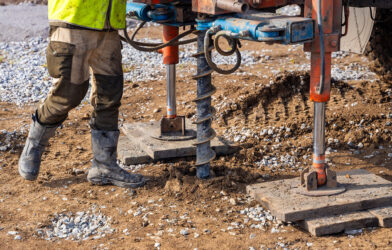
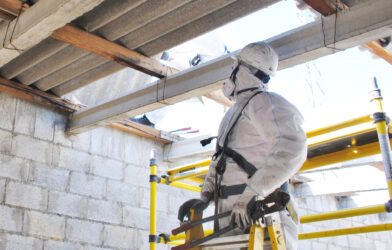
Inspectors will visit workplaces throughout metropolitan and regional NSW, examining compliance across SafeWork’s priority areas: elevated work hazards; healthcare and social assistance sector risks; sexual harassment and broader psychosocial concerns; and exposure to dangerous materials including asbestos, crystalline silica and welding fumes.
“This month-long enforcement initiative reinforces that workplace safety remains non-negotiable and must be paramount for all forklift operators,” Minister Cotsis stated.