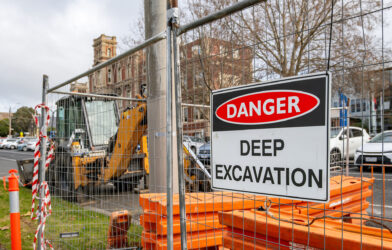
In a significant development that underscores regulators’ commitment to comprehensive accountability, two separate companies have entered enforceable undertakings with SafeWork SA relating to the same hazardous void incident. This case marks a notable shift in how workplace safety regulators approach incidents involving multiple duty holders.
The incident involved a dangerous void at a worksite where both companies held overlapping safety responsibilities. Rather than pursuing prosecution against just one entity, SafeWork SA has secured enforceable undertakings from both persons conducting a business or undertaking (PCBUs), sending a clear message that all parties with safety duties will be held accountable when incidents occur.
Enforceable undertakings are legally binding agreements that allow companies to avoid prosecution by committing to specific safety improvements and often substantial financial contributions to workplace safety initiatives. The agreements typically require companies to implement enhanced safety systems, provide additional worker training, and contribute to industry-wide safety research or programs.
This case highlights the complex reality of modern workplaces where multiple contractors, subcontractors, and host employers may share responsibility for worker safety. Under Australian work health and safety laws, all PCBUs have concurrent duties to ensure, so far as reasonably practicable, the health and safety of workers.
The involvement of work at heights elements in this case adds another layer of concern, as falls from height remain one of the leading causes of workplace fatalities in Australia. The construction and related industries continue to grapple with managing these risks, particularly where multiple parties are involved in planning and executing work activities.
Safety experts note that this dual accountability approach reflects a maturing understanding of workplace safety responsibility. Rather than seeking to identify a single “guilty party,” regulators are increasingly recognizing that effective safety outcomes require all duty holders to fulfill their obligations.
For businesses operating in environments with shared workspaces or contractor arrangements, this case serves as a reminder that having other parties present does not diminish individual safety responsibilities. Companies must ensure robust consultation processes are in place and that safety responsibilities are clearly defined and communicated among all parties.
The case also emphasizes the importance of proper safety planning and consultation when multiple PCBUs are involved in work activities, particularly those involving high-risk activities such as work at heights.