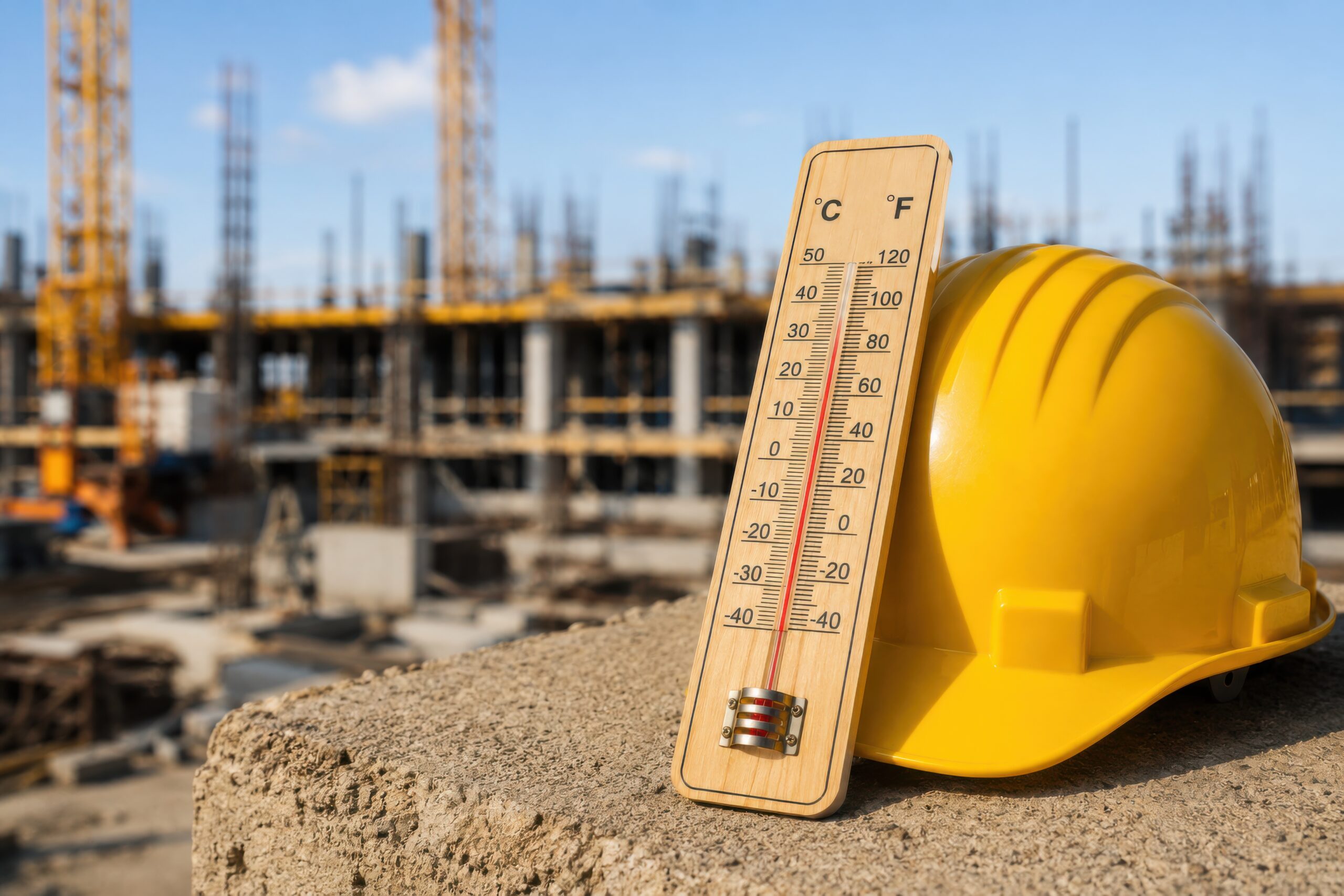
Australia is developing its first national strategy dedicated to managing the impacts of climate change on workers’ health and safety, following a landmark endorsement by federal and state ministers of recommendations from the Best Practice Review of model WHS laws.
Safe Work Australia CEO Marie Boland announced the development of the National Strategic Plan on Climate Safe Work at the Research Connect Forum in Brisbane in early November 2026. The strategy will establish a stronger evidence base, clarify how the model WHS framework protects workers as climate conditions change, and guide national action on climate-related workplace hazards.
The announcement follows the ministerial endorsement of Safe Work Australia’s three formal recommendations flowing from its Best Practice Review — a significant policy milestone that cleared the way for the development of national regulations and the new climate safety strategy.
The move has been welcomed by unions, who have long called for greater regulatory clarity on employers’ obligations to protect workers from extreme heat, poor air quality from smoke, flooding, and other climate-driven hazards. Australia is one of the world’s most climate-exposed workforces, with agriculture, construction, mining, emergency services and outdoor workers among those most at risk.
Climate change is already affecting workplaces across the country. Rising temperatures increase the risk of heat stress, dehydration and heat stroke. Bushfire smoke creates hazardous air quality events that can affect workers in both outdoor and indoor settings. More frequent extreme weather events disrupt operations and create new risks that many existing WHS management systems were not designed to address.
The strategy will complement the ILO Governing Body’s current consideration of the first global conclusions on occupational safety and health in extreme weather events — a development reported elsewhere in this edition — and positions Australia at the forefront of international efforts to future-proof WHS frameworks for a changing climate.
Safe Work Australia’s preliminary 2026 fatality data records 116 workers killed at work so far this year, compared with 222 for the full year 2025. The national climate safety strategy is a step toward ensuring that number continues to fall, even as the conditions in which Australians work become more demanding.