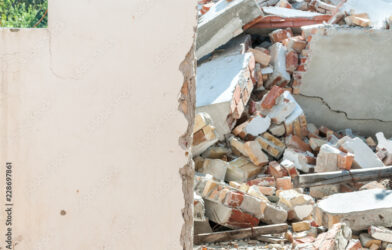
On 25 October 2022, five workers were seriously injured when the ceiling above a cool room gave way beneath them during the installation of an ice machine compressor. They fell approximately 3.6 metres.
Coldline Refrigeration Management Pty Ltd and its director James Megalli have been convicted and fined a total of $164,500 in the Industrial Court of NSW as a result of a prosecution by SafeWork NSW. The company pleaded guilty to two offences.
The first was under section 32 of the Work Health and Safety Act 2011 for failing to comply with its health and safety duty to workers under section 19(1). The second was under section 46 of the Act — the duty to consult, cooperate and coordinate activities with other duty holders at the same workplace. SFS Management Pty Ltd, which also had workers involved in the installation, shared that duty. Coldline failed to coordinate with them.
The company was fined $152,500. Mr Megalli, as the sole director at the time, pleaded guilty under section 27(1) for failing to exercise due diligence as an officer. He was fined $12,000.
SFS Management had already been prosecuted over the same incident. In October 2025, SFS was convicted and fined $500,000 in the Industrial Court for two of its own offences — including a failure to consult, cooperate and coordinate with Coldline. The same event, two companies, two prosecutions, penalties now totalling $664,500.
The section 46 offence is one that is easily overlooked in busy workplaces where multiple contractors operate on the same site, sometimes on the same job. The law requires that those with overlapping duties communicate, coordinate their activities, and ensure their combined work doesn’t create gaps in safety management. The installation of a refrigeration compressor above a cool room ceiling involves understanding the structural capacity of that ceiling. If one company handles the rigging and another handles the installation, and neither has discussed what loads the ceiling can bear, the result can be exactly what happened here.
Roof spaces and ceiling voids remain hazardous working environments. They are often poorly lit, structurally complex, and rarely designed to support multiple workers walking across them. Working in them requires structural assessment, appropriate access equipment, and — as this case demonstrates — clear communication between every duty holder on site.