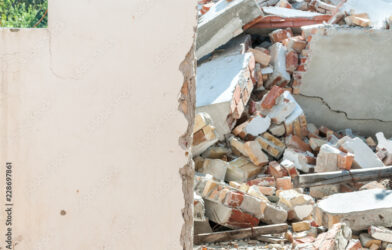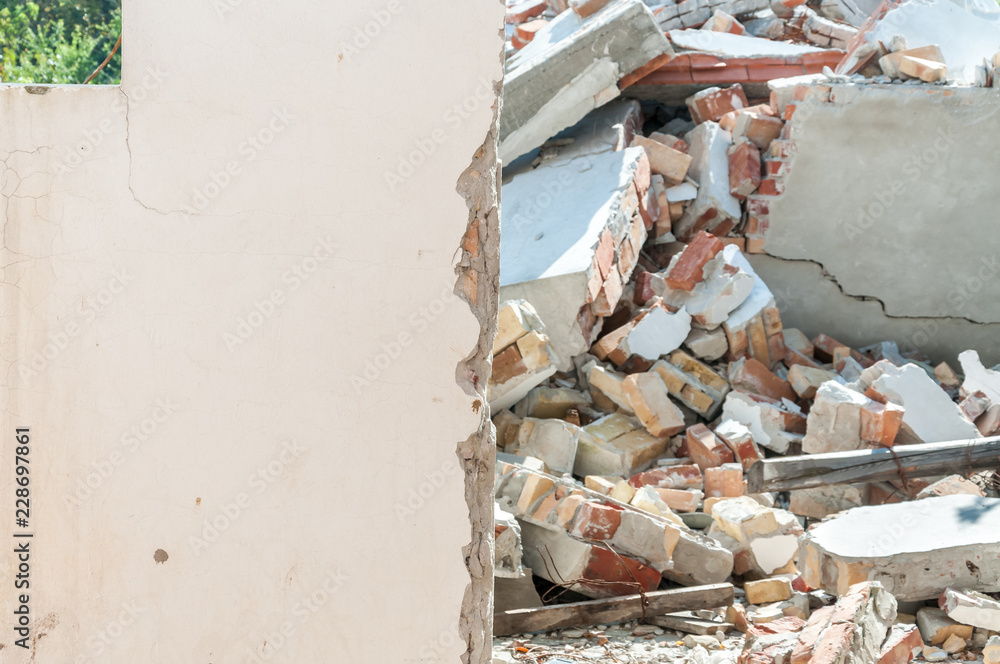
On 21 November 2022, gusting winds blew over a wall under construction at a residential property in New South Wales. The wall fell and caused damage to a fence and a neighbouring property. No one appears to have been directly struck — but this was the kind of outcome that could easily have been far worse.
Top BCR Pty Ltd and its director Cheuk Leung Leo Yan have been convicted and fined a total of $122,500 in the Industrial Court of NSW following a prosecution by SafeWork NSW. The company pleaded guilty to an offence under section 32 of the Work Health and Safety Act 2011 for failing to comply with its health and safety duty to workers under section 19(1). Top BCR was fined $101,250.
Director Yan pleaded guilty separately to failing to exercise due diligence as an officer under section 27(1) of the Act. He was fined $21,250.
That split between company and director matters. It is a reminder that the WHS Act does not allow corporate structure to insulate individuals from accountability. Directors are required to exercise due diligence — to keep up to date with WHS matters, to understand the hazards in their business, and to ensure their company has appropriate resources and processes to manage those hazards. When a wall goes up without adequate temporary support to handle lateral loads from wind, that is a failure at both the operational and governance level.
Temporary bracing and support for walls under construction is not a complicated engineering requirement. It is a well-understood control for a well-known risk. Walls are vulnerable during construction precisely because they lack the permanent connections, footings, and cross-bracing that will eventually stabilise them. Wind loading is predictable. The risk is manageable.
SafeWork Commissioner Janet Schorer: “This incident serves as a reminder for directors to be aware of their duties to exercise due diligence under the Work Health and Safety Act 2011.”
What this prosecution adds to the record is a clear example of dual liability — the same incident, two defendants, two separate charges under different sections of the Act, two sentences. Construction companies and their directors should read cases like this not as cautionary tales about bad luck, but as a description of the legal framework that already applies to every residential build they manage.
Top BCR and Mr Yan have the right to appeal against their sentences.