Transport for London has been convicted and fined £2 million after a 74-year-old woman was struck and killed by a bus at Walthamstow Bus Station on 15 December 2023 — a fatality that followed five near-misses in the two days beforehand and a prior pedestrian incident in 2022 that should have triggered a risk assessment that never came.
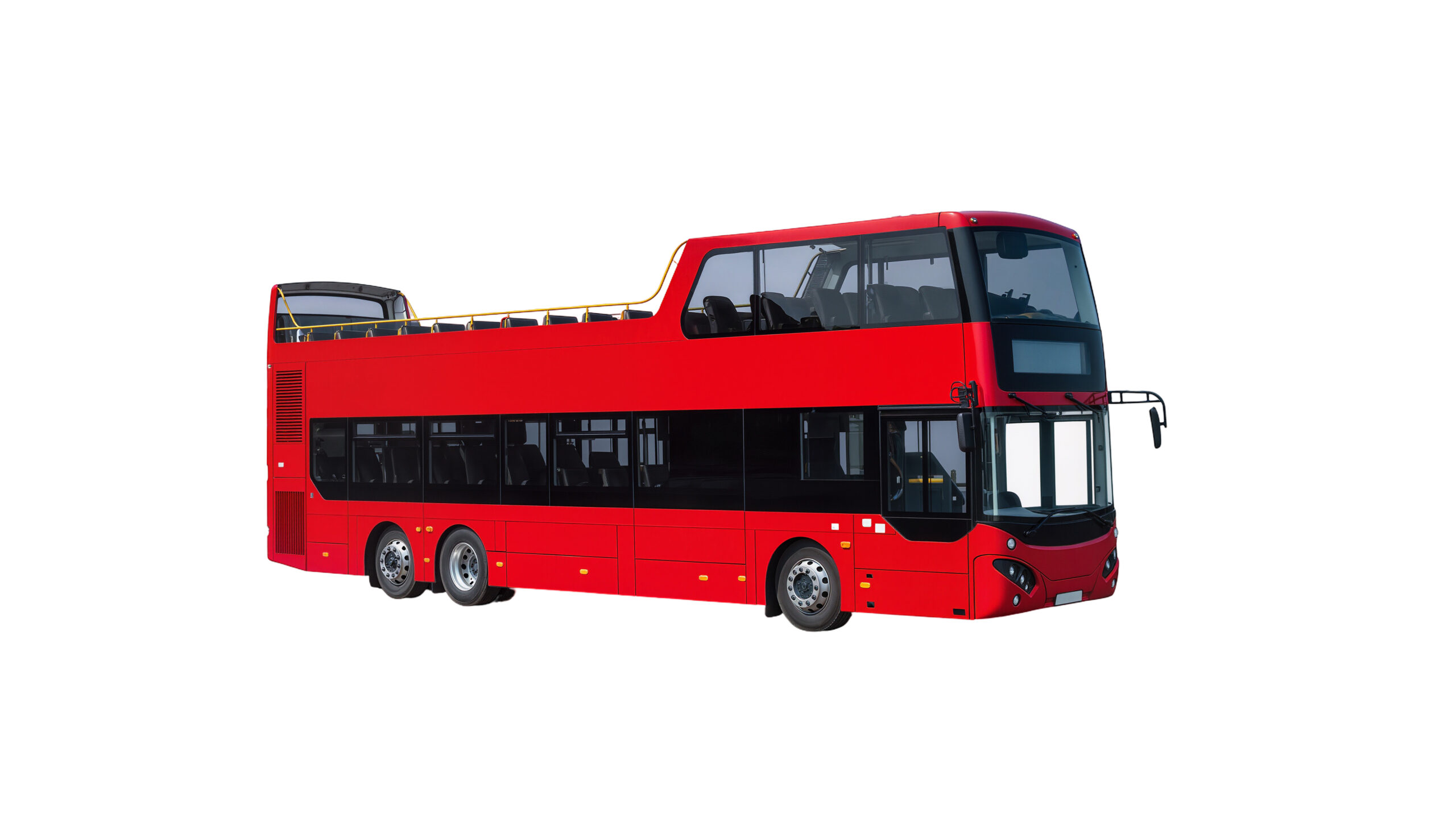
Grace Mecaley was crossing at an authorised pedestrian crossing when a double-decker bus hit her. The crossing was positioned at the apex of a bend where buses turned into the station, meaning drivers could approach without a clear view of the full length of the crossing. A ‘red carpet’ design was intended to signal pedestrian priority but instead created ambiguity about right of way. CCTV captured five near-misses at the same crossing in the 48 hours before Mrs Mecaley died.
None of that information prompted TfL to assess the risk. Despite a pedestrian being struck in similar circumstances at the same location in April 2022, TfL had not conducted a risk assessment of the crossing. Westminster Magistrates’ Court heard that TfL also failed to adequately monitor bus driver behaviour at the station. TfL pleaded guilty to breaching Regulation 17(1) of the Workplace Health, Safety and Welfare Regulations 1992 and was fined £2 million plus £5,081 in costs.
The HSE inspector’s remarks at sentencing were pointed: the information TfL needed to prevent this death was available. Five near-misses in 48 hours is not background noise. It is a fire alarm going off repeatedly while the building manager checks their emails.
For Australian workplace safety professionals, the lesson extends beyond bus stations. The WHS obligation to review and act on near-miss information is explicit and well-established. A near-miss is a system failure that did not, on that occasion, result in harm. It is also a data point that something in the risk controls is not working. Collecting near-miss records without acting on what they reveal does not discharge the duty. It documents it.
Any organisation that manages pedestrian and vehicle interactions — in car parks, loading docks, warehouses, public facilities, or anywhere vehicles and people share space — should be asking whether their risk assessment is current and whether near-miss information is being reviewed, escalated, and acted on.