


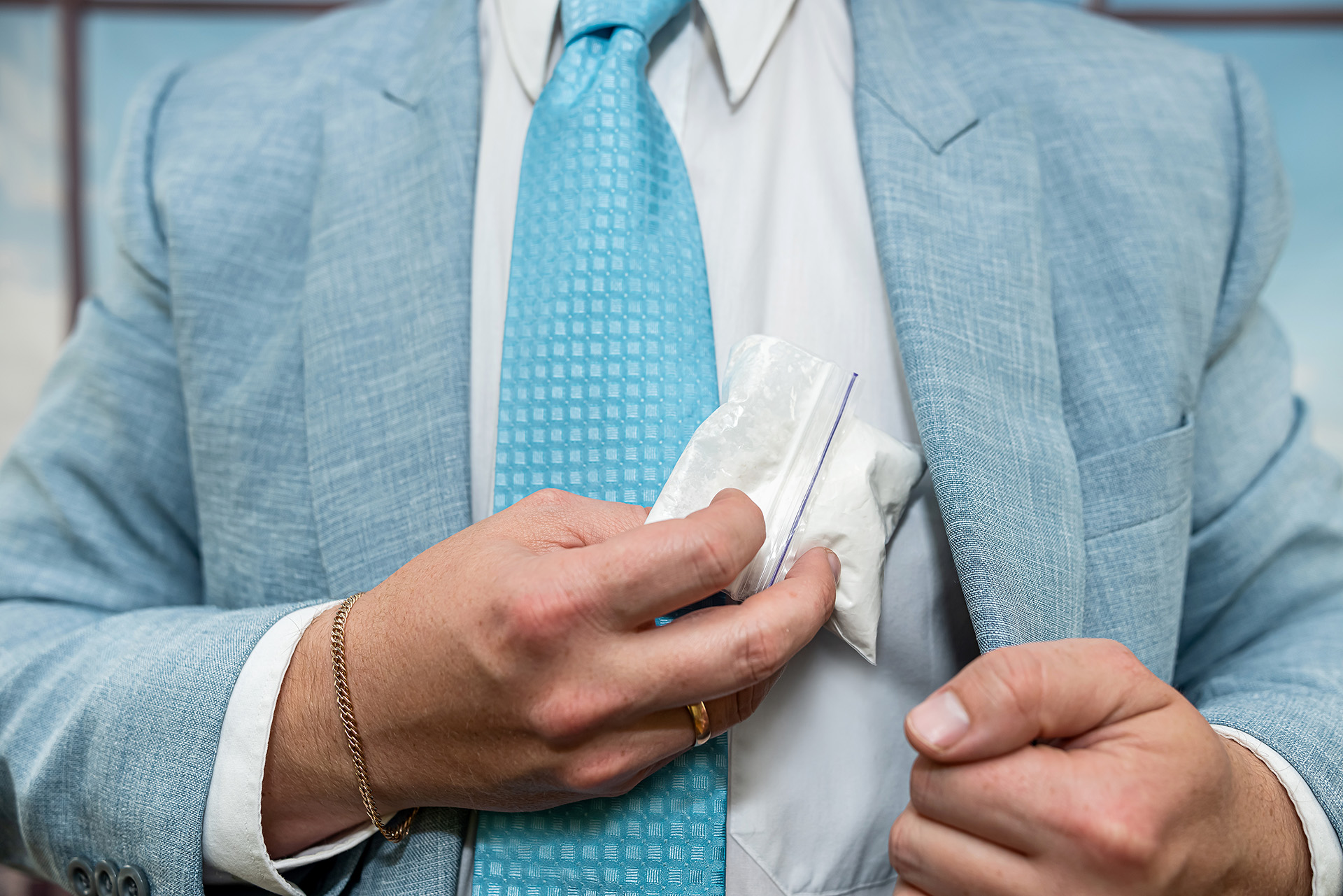
Cocaine detection rates in Australian workplaces nearly doubled last year, with NSW and South Australia recording the sharpest increases, according to new data from The Drug Detection Agency (TDDA).
The findings, drawn from urine and oral fluid tests conducted between October and December 2025, reveal a significant shift in workplace drug use patterns even as overall detection rates held steady throughout the year.
In NSW, cocaine accounted for just under 20 per cent of all positive drug tests in the final quarter of 2025 — up from 7.6 per cent in the first quarter. South Australia saw its cocaine detection rate more than double, rising from 4.3 per cent to 10.5 per cent over the same period.
TDDA CEO Glenn Dobson said the trend reflects a broader and more complex drug environment that now includes prescription medications, fentanyl, synthetic cannabinoids and growing cocaine use. “Cocaine creates overconfidence and poor judgement, which is a risky combination in safety-critical environments,” he said, urging employers in affected regions to reinforce education and testing programs.
Cannabis remained the most prevalent substance detected nationally, with Queensland leading all states — THC was present in 60.4 per cent of positive tests there. Amphetamine-type substance (ATS) detections trended downward in NSW, Queensland and Victoria, though levels remained elevated in South Australia and Western Australia. South Australia recorded the highest national rates for benzodiazepines, opioids and ATS.
TDDA also surveyed more than 1,000 businesses across Australia and New Zealand, primarily from safety-sensitive industries including construction, manufacturing, transport, warehousing and agriculture. It found 20 per cent of employers provided no drug, alcohol or health and safety training, while 22 per cent were unaware of when their drug and alcohol policy was last reviewed.
Dobson cautioned that outdated policies expose organisations to legal and compliance risk. “If you’re unsure if your policies are up to date, there’s a strong likelihood that they no longer reflect current standards, guidance, legislation or case law,” he said.


