Two recent incidents at Australian coal mines have spotlighted the critical importance of adhering to established safety procedures and conducting thorough risk assessments.
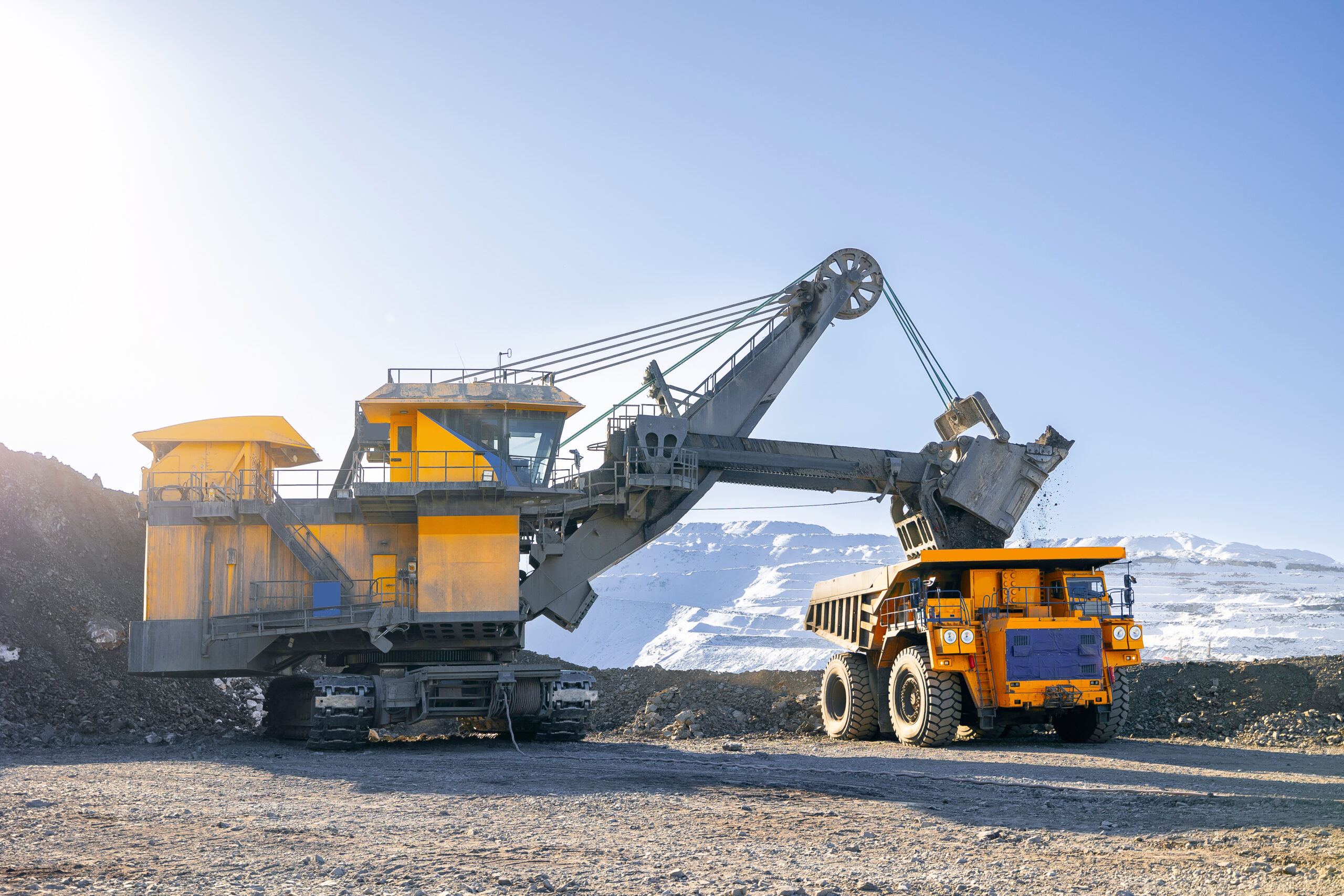
In the first incident, maintenance fitters at an open-cut coal mine were working on an excavator stick assembly that had been removed for line boring. While attempting to retract the bucket cylinders using an overhead crane connected to the H-link, the cylinders unexpectedly retracted at speed. This sudden movement caused the unbalanced stick assembly to overload a fibre-lifting sling, which subsequently snapped, leading to the assembly falling to the ground. A fitter on site narrowly avoided serious injury.
The second incident involved a personnel transporter (SMV) exiting a mine portal. The SMV collided with a roof support that had been stored near the travel path. The operator, attempting to navigate around a stationary vehicle, misjudged the available space and struck the unmarked support structure. No injuries were reported, but the incident raised concerns about visibility and the placement of materials near active roadways.
In response to these events, the NSW Resources Regulator emphasized the necessity of following site procedures to protect workers from injury or illness. They stated, “Where a procedure exists for a particular task, workers should follow the procedure. Any deviation from a procedure should first be discussed with a supervisor and appropriate risk control measures put in place.” The regulator also highlighted that in the first incident, the method chosen to retract the bucket cylinder introduced a risk that was not identified or controlled. They advised, “Workers should ensure that loads attached by slings to a crane are adequately supported and secured to prevent unplanned movement.”
Regarding the second incident, the regulator noted the importance of principal hazard management plans for roads or other vehicle operating areas. These plans should consider factors that may affect an operator’s ability to safely navigate a vehicle.
These incidents serve as a reminder of the critical role that established procedures and hazard management plans play in ensuring workplace safety.