Victoria’s workplace fatality toll for 2024 has highlighted the persistent risks across industries, urging employers and workers to prioritise safety measures. WorkSafe Victoria reported 50 fatalities last year, a decline from 73 in 2023, yet the toll underscores the need for vigilance.
Transport, construction, and agriculture remain the deadliest sectors, but fatalities were recorded in over half of all industries, spanning occupations such as electricians, teachers, and truck drivers. “No family should suffer the devastation of losing a loved one at work,” said WorkSafe Executive Director Sam Jenkin. “We remain unyielding in our commitment to zero workplace deaths.”
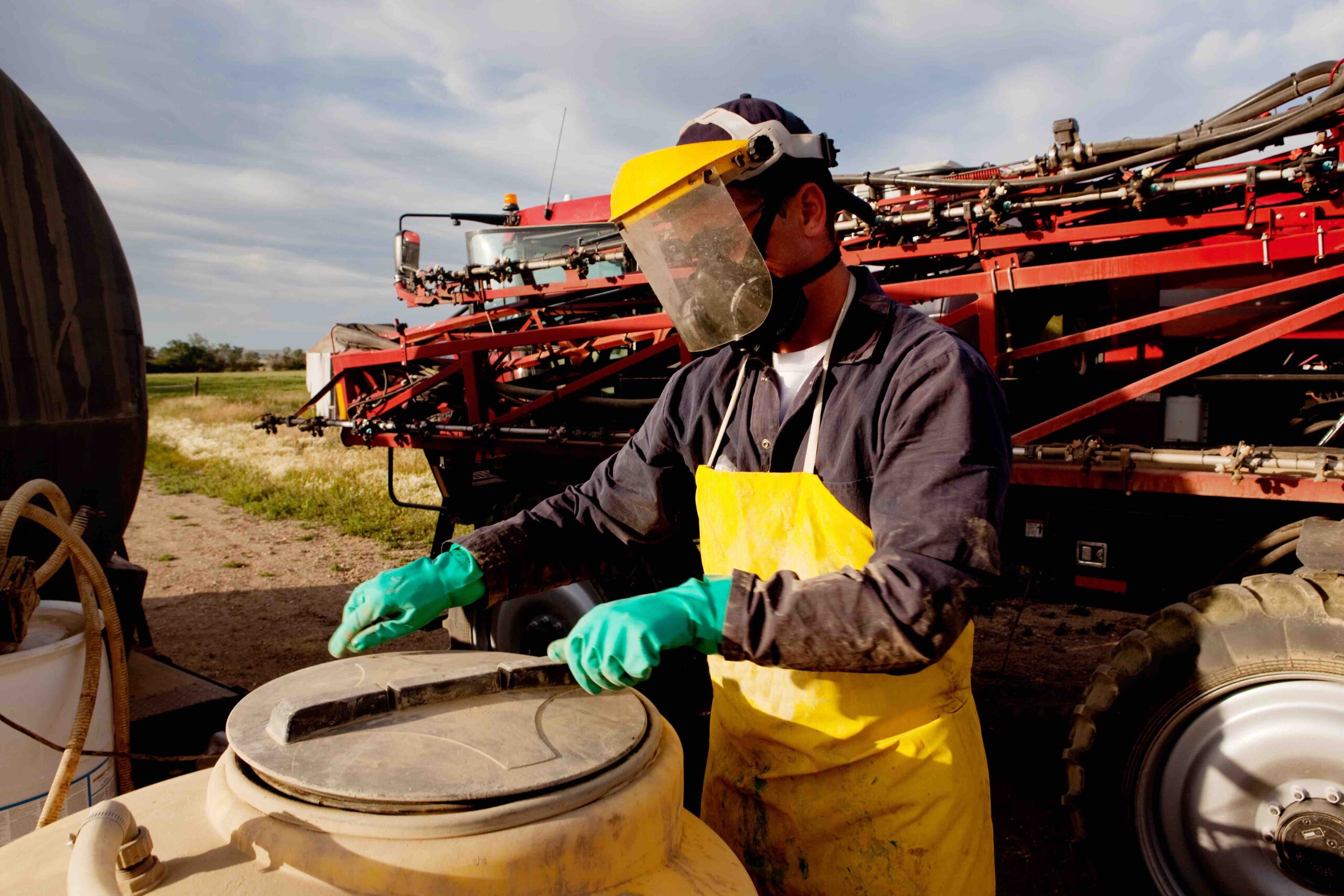
The fatalities included 18 traumatic incidents, 12 traffic collisions, and 17 deaths from work-related diseases caused by chemical exposure. Two cases involved medical complications, and one stemmed from a criminal act. WorkSafe’s expanded reporting since 2020 now includes deaths from industrial diseases and workplace manslaughter offences.
Meanwhile, Farmsafe Australia has declared a “safety emergency” following alarming figures from AgHealth Australia showing 72 on-farm deaths in 2024—more than double the previous year’s toll. Fatalities were driven by quad bike accidents, tractor rollovers, and side-by-side vehicle incidents. Farmsafe Chair Felicity Richards stressed the urgency for cultural change: “We cannot continue to accept farm fatalities as part of life on the land.”
Richards called for collaboration among industry leaders and policymakers to implement long-term safety initiatives like training programs and technology-driven solutions. “We have the knowledge, we have the tools. Now, we need the commitment,” she added.
Despite progress in reducing workplace injuries nationally, certain industries remain disproportionately affected. The agriculture sector continues to record high fatality rates due to machinery accidents and hazardous conditions.
Workplace safety is an ongoing challenge that demands collective action. Employers must ensure robust safety protocols while workers remain vigilant about hazards. As Jenkin emphasised, “Preventing harm in the first place will always be our priority”.